Sun damage, redness, dark spots, and uneven skin tone are some of the most common concerns people bring to a med spa. These issues can be frustrating, especially when standard skincare routines only get you so far. For many people in Centennial and the surrounding Denver area, the search for a non-invasive solution leads them to IPL photofacial treatment.
IPL has become one of the more popular light-based options available at medical spas, and for good reason. It addresses a wide range of skin concerns with minimal downtime, making it an attractive choice for people who want real results without a lengthy recovery. This guide breaks down exactly how it works, what it treats, and what you can realistically expect.
What Is IPL Photofacial Treatment?
IPL stands for Intense Pulsed Light. Unlike a traditional laser, which emits a single focused wavelength of light, IPL delivers multiple wavelengths simultaneously. Think of it like a camera flash directed at the skin, but one that is precisely controlled to target specific concerns beneath the surface.
Because it uses a broad spectrum of light rather than one concentrated beam, IPL can address several skin concerns at once. This makes it a flexible option for those dealing with more than one type of discoloration or redness.
How IPL Works Beneath the Skin
When the light from an IPL device reaches the skin, it targets two specific substances: melanin and hemoglobin. Melanin is responsible for dark spots and pigmentation, while hemoglobin is found in the blood vessels that cause redness and visible capillaries.
The light energy is absorbed by these targets and converted into heat. That heat damages the unwanted cells or vessels without harming the surrounding skin tissue. Once damaged, the body’s natural healing process takes over, gradually clearing away those cells over the following days and weeks.
This process is why IPL is widely considered an effective therapy for skin rejuvenation. It works with your body, not against it, allowing improvements to develop naturally over time.
What Skin Concerns Does IPL Treat?
IPL photofacial treatment can improve a range of common skin concerns, including:
- Sun damage and age spots caused by years of UV exposure
- Hyperpigmentation and uneven patches of darker skin
- Rosacea and general facial redness that persists despite skincare efforts
- Broken capillaries and small visible blood vessels
- Uneven skin tone across the face, chest, or hands
- Mild acne discoloration left behind after breakouts heal
The results vary from person to person depending on skin type, the severity of the concern, and the number of sessions completed.
What to Expect During an IPL Session
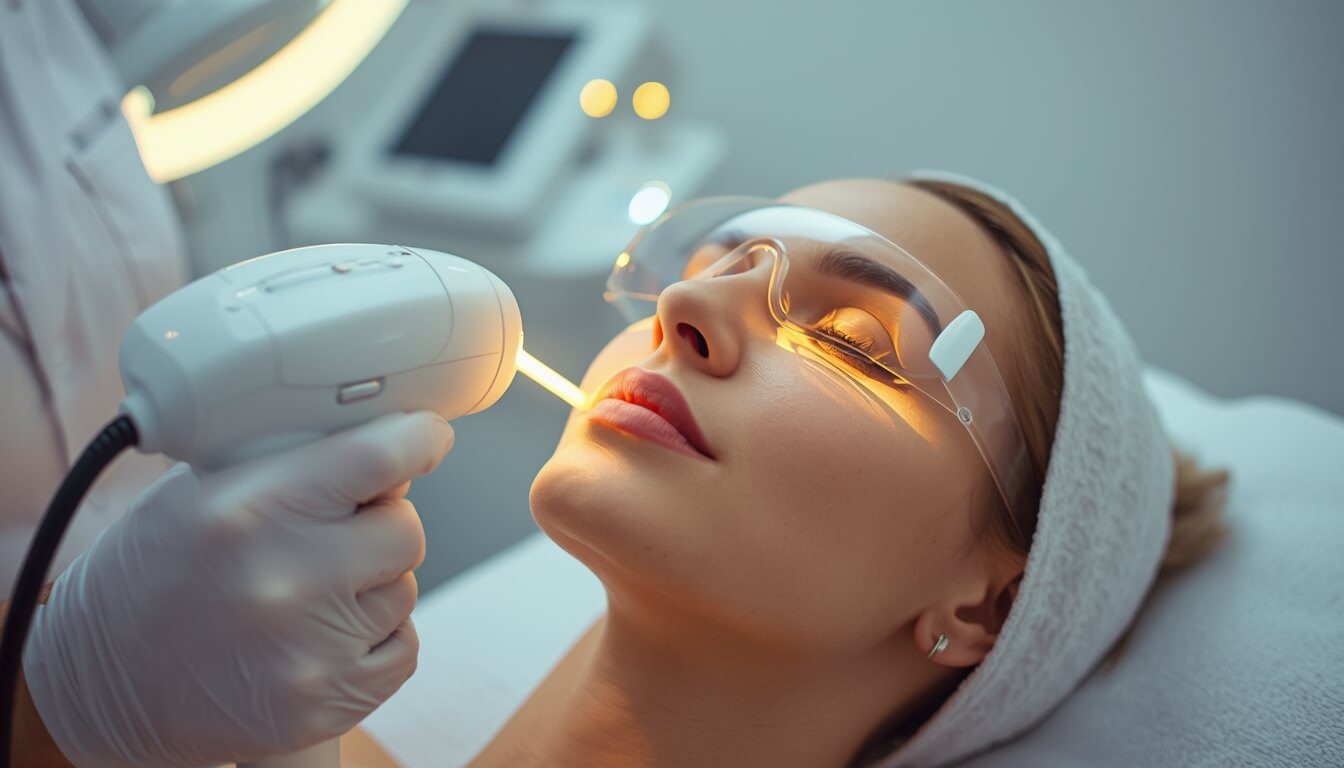
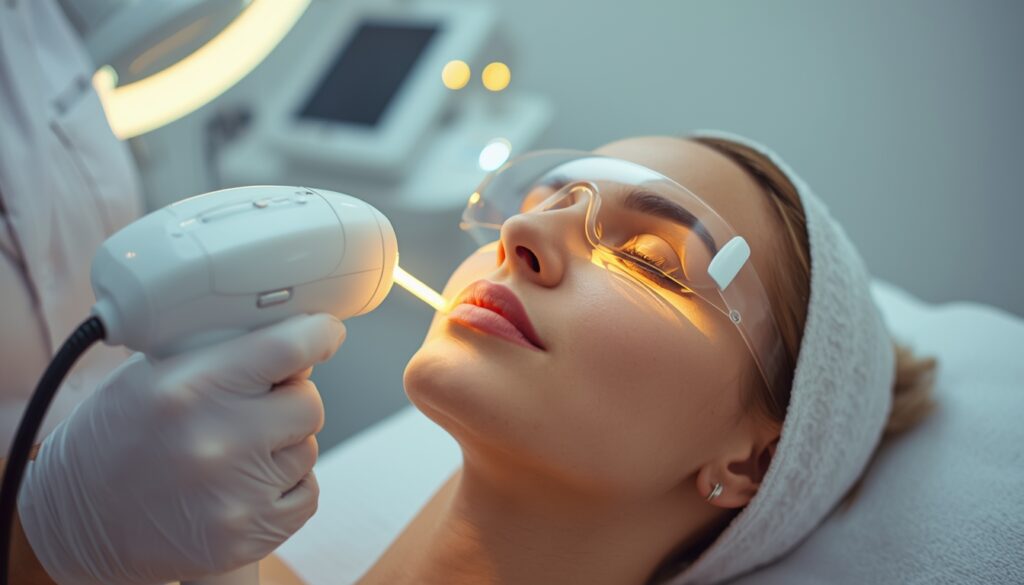
A typical IPL appointment lasts between 30 and 45 minutes, depending on the treatment area. During the session, a handheld device is passed over the skin, delivering quick pulses of light. Most people describe the sensation as a light snap, similar to a rubber band against the skin. It is generally well tolerated.
Afterward, you may notice some mild redness or warmth in the treated area, similar to a light sunburn. This usually settles within a few hours to a day. There is no significant downtime, so most people return to their normal activities right away.
For best results, providers typically recommend a series of three to five sessions, spaced about four weeks apart. Your provider will assess your skin and tailor a plan based on your specific goals.
IPL vs. Laser Treatments
People often use the terms IPL and laser interchangeably, but they are not the same. Traditional laser resurfacing uses a single, targeted wavelength that penetrates deeper into the skin. It is well suited for more significant texture concerns, deep wrinkles, or acne scarring.
IPL, on the other hand, works closer to the surface and across a broader range of concerns at once. Many people searching for the best laser treatment for pigmentation or redness will find that IPL is actually what fits their needs, even though it technically is not a laser.
If your primary concerns are surface-level pigmentation, redness, or sun damage, IPL is often the more appropriate choice. For deeper resurfacing needs, your provider may recommend a different treatment or a combination approach.
Who Is a Good Candidate for IPL?
IPL works best for people with fair to medium skin tones who have visible sun damage, redness, or pigmentation they want to reduce. Lighter skin tones tend to show the most dramatic improvements because there is a clearer contrast between the target pigment and the surrounding skin.
IPL may not be suitable for very dark skin tones, depending on the device being used. Certain skin types carry a higher risk of unintended pigment changes with light-based treatments. This is one of the main reasons a thorough consultation matters before starting any treatment.
At Refine Med Spa in Centennial, every IPL treatment begins with a personalized assessment. Jackie, RN and Master Injector, takes the time to evaluate your skin, review your concerns, and confirm that intense pulsed light photofacial skin rejuvenation is the right fit before moving forward. Clients from Littleton, Highlands Ranch, Greenwood Village, and other nearby areas regularly visit for this kind of attentive, individualized care.
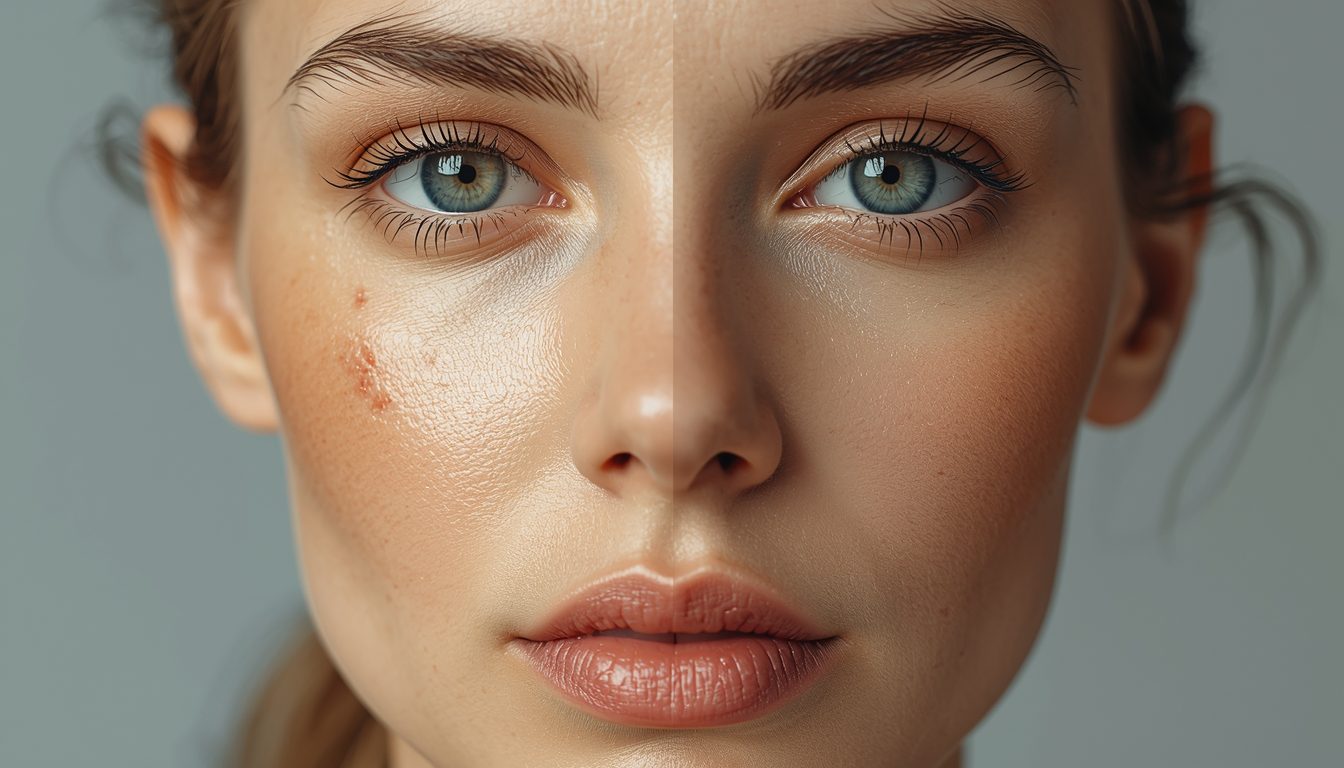
IPL Photofacial Before and After Results
One thing to know going in: results from IPL are gradual. You will not walk out of your first session with dramatically different skin. What typically happens first is that dark spots appear slightly darker before they begin to flake away naturally over one to two weeks. This is a normal part of the process.
Full results generally become visible over several weeks following a completed series of sessions. Skin tone tends to appear more even, redness is reduced, and the overall complexion looks clearer and more refreshed.
To maintain your results, daily sunscreen use is essential. Sun exposure after IPL can cause pigmentation to return, so protecting your skin is a key part of getting the most out of your treatment.
Ready to Explore Clearer, More Even Skin?
IPL photofacial treatment is a versatile, non-invasive option for anyone looking to reduce sun damage, redness, pigmentation, or uneven tone without significant downtime. When paired with an expert assessment and personalized care, it can deliver meaningful, long-lasting improvements.
At Refine Med Spa, every treatment plan is built around your unique skin, goals, and comfort. The team is committed to honest guidance and results that look natural, not overdone.
If you are considering IPL photofacial treatment in Centennial, schedule a consultation at Refine Med Spa today. Visit https://refinemedspa.com to book your appointment.