Wrinkles rarely appear overnight. They develop gradually, shaped by years of sun exposure, repeated facial expressions, and the natural slowdown of collagen production. By the time most people notice them, the underlying changes in their skin have been building for years.
That gradual process is exactly why the best wrinkle treatment looks different for everyone. A 32-year-old noticing faint forehead lines has very different needs than a 54-year-old managing deeper folds and volume loss. Age, skin condition, lifestyle, and personal goals all factor into which treatments make the most sense and when.
This guide breaks down how skin aging progresses across three key decades and outlines the most effective treatment options available at each stage. The goal is not to recommend a single solution but to help you understand how thoughtful, age-appropriate planning can support natural-looking results over time.
Why Wrinkles Develop Over Time
Understanding why skin ages is a useful starting point before exploring treatment options. Several biological and environmental factors work together to change the structure and appearance of the skin as the years pass.
Collagen and elastin are the two proteins most responsible for keeping skin firm, smooth, and resilient. Starting in the mid-20s, the body gradually produces less of both. By the time people reach their 40s and 50s, that decline becomes increasingly visible. Skin loses its ability to snap back after movement, and lines that once faded when the face was at rest start to stick around.
Reduced hydration is another factor. As skin ages, it retains less moisture, which causes the surface to look duller and feel less plump. Fine lines often appear more pronounced on dry or dehydrated skin.
Repeated facial expressions also leave their mark. Every time you smile, squint, or furrow your brow, the underlying muscles contract and crease the skin above them. Over time, those temporary creases deepen into permanent lines, particularly around the eyes, forehead, and mouth.
Sun exposure accelerates all of the above. Ultraviolet radiation breaks down collagen fibers, damages elastin, and causes uneven pigmentation. Many of the most visible signs of facial aging, including brown spots, rough texture, and deep wrinkles, are at least partially the result of cumulative sun damage rather than age alone.
These overlapping causes explain why preventative treatments are gaining popularity. Starting early and maintaining a consistent routine can slow the visible progression of aging and reduce the need for more intensive interventions later.
Wrinkle Treatment Planning in Your 30s
The 30s are often the decade when people first start thinking seriously about skin aging. Early signs are subtle, but they are noticeable. Fine lines may appear around the eyes, between the brows, or across the forehead. The skin might not bounce back as quickly after a late night or a long day in the sun.
These early changes are driven primarily by the beginning of collagen decline and the accumulation of years of facial movement. The goal of wrinkle treatment at this stage is not dramatic correction. It is preservation and prevention.
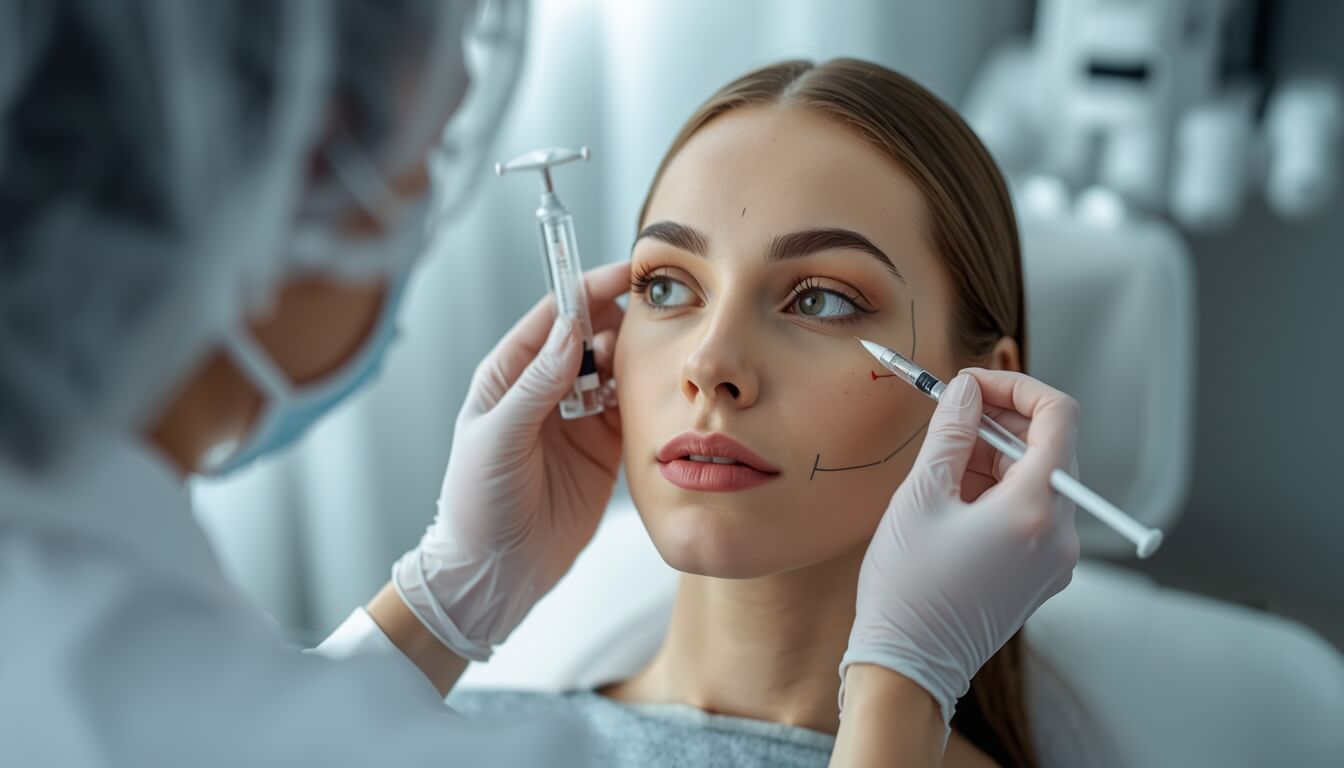
Neurotoxin treatment is one of the most commonly recommended options in this decade. Neurotoxins work by temporarily relaxing the facial muscles responsible for expression lines, smoothing creases before they have a chance to deepen. When started early, regular neurotoxin treatment can help prevent dynamic wrinkles from becoming etched into the skin over time. Common treatment areas include the forehead, the glabellar lines between the brows, and the crow’s feet around the eyes.
Mild skin resurfacing treatments are another valuable option in the 30s. Treatments such as light chemical peels, microneedling, or gentle laser-based procedures stimulate collagen production and improve skin texture. These approaches work by creating controlled micro-injuries that prompt the skin to repair itself, producing firmer, smoother results over time. Starting resurfacing treatments before significant texture changes occur means the skin has a stronger baseline to maintain.
Facial rejuvenation treatment at this stage typically focuses on collagen support and overall skin quality rather than volume replacement. Sun protection, professional-grade skincare, and occasional in-office treatments form the foundation of an effective strategy.
The 30s are the ideal time to establish a relationship with an aesthetic provider and develop a personalized long-term plan. Consistent, preventative care during this decade can significantly slow how quickly more visible signs of aging develop.
Wrinkle Treatment Options in Your 40s
By the 40s, the signs of aging tend to become more pronounced. Expression lines that were once subtle may now be visible even when the face is at rest. The skin may appear less firm along the jawline, and some people begin to notice a slight hollowing under the eyes or a flattening of the cheeks. These changes reflect both the ongoing loss of collagen and a measurable reduction in facial volume.
Treatment strategies in this decade typically shift from purely preventative to a combination of correction and maintenance.
Neurotoxin injections remain highly effective and are often continued from the previous decade or started for the first time. At this stage, providers may target a broader range of areas and adjust dosing to address deeper-set lines that require more precise relaxation of the underlying muscles.
Dermal fillers treatment becomes increasingly relevant in the 40s. As fat pads in the face begin to shift and diminish, structural support starts to decline. Hyaluronic acid fillers can restore subtle volume to the cheeks, soften nasolabial folds, and improve the appearance of the under-eye area. The goal is not to overfill but to gently replace what has been lost, restoring balance without altering natural facial proportions.
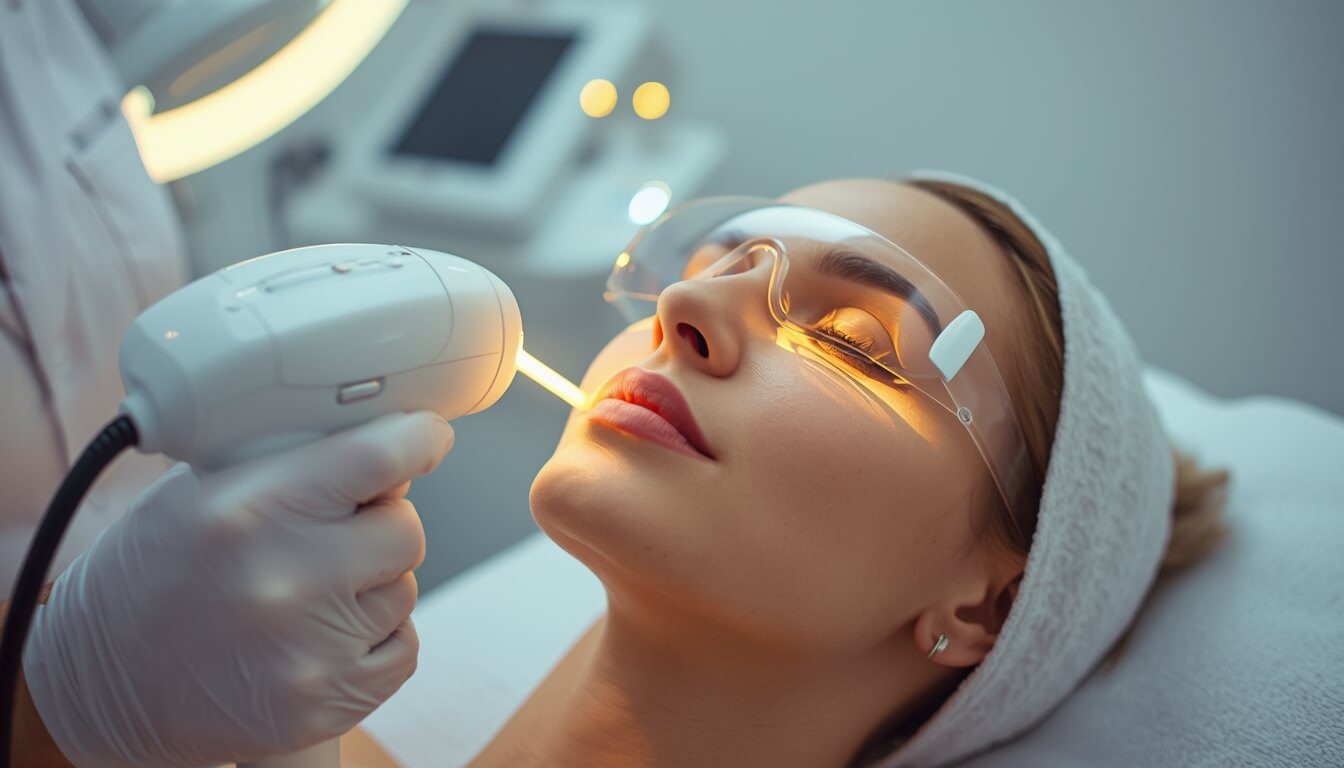
IPL photofacial treatment is another strong option during this decade, particularly for those who have accumulated sun damage over the years. Intense pulsed light technology targets pigmentation irregularities, brown spots, and redness, improving overall skin tone and clarity. For many patients in their 40s who spent years in the Colorado sun, IPL is an effective way to address discoloration that skincare products alone cannot fully resolve.
Combining these treatments often yields better results than any single approach in isolation. A provider might recommend neurotoxins for dynamic wrinkles, a small amount of filler for volume loss, and IPL sessions to address tone and texture simultaneously. This layered approach allows each treatment to address a specific aspect of facial aging, producing a more balanced and refreshed outcome overall.
Wrinkle Treatment Strategies in Your 50s and Beyond
Skin aging in the 50s reflects a more significant shift in the facial structure. Collagen production slows considerably, elastin fibers become less resilient, and the fat compartments of the face continue to deflate and descend. The result is often a combination of deeper wrinkles, more noticeable volume loss, and skin that has lost much of its earlier firmness and elasticity.
At this stage, treatment plans typically become more comprehensive, addressing multiple layers of facial aging at once.
Dermal fillers play a central role in restoring volume and structure. Providers skilled in facial anatomy can use fillers strategically to lift and support areas that have lost definition over time, including the temples, cheeks, and jawline. When placed thoughtfully, fillers can create a naturally refreshed appearance that does not look heavy or overdone.
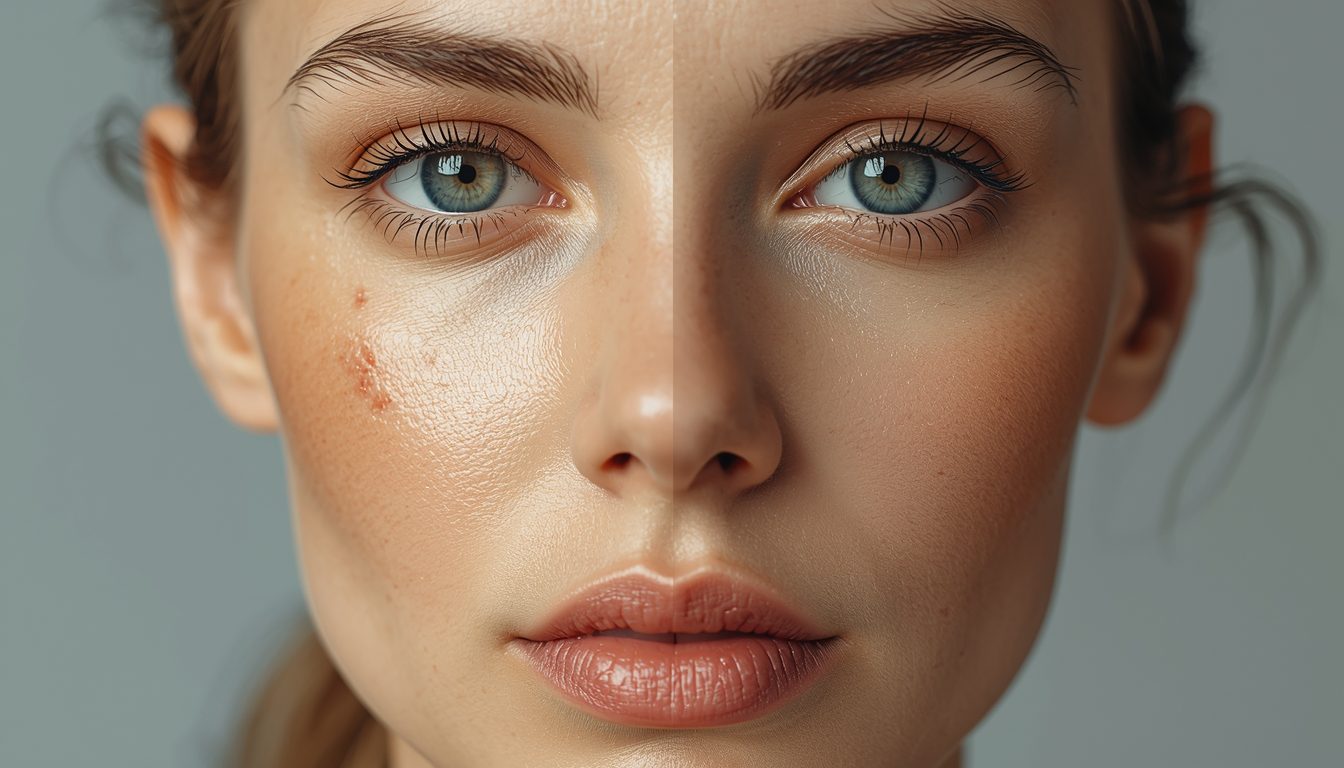
Advanced skin resurfacing treatments are particularly valuable in the 50s for targeting deeper texture changes, fine lines, and acne scars that have accumulated over decades. Fractional laser resurfacing and radiofrequency microneedling are among the more intensive options that stimulate significant collagen remodeling. These treatments can produce meaningful improvements in skin quality, firmness, and tone over a series of sessions.
Non surgical facial treatments allow providers to address all of these concerns without the recovery time or risks associated with surgical procedures. A well-designed combination plan may include fillers for volume restoration, neurotoxins for ongoing muscle relaxation, and resurfacing treatments for skin renewal. Many patients in their 50s are pleasantly surprised by how much non-surgical options can achieve when administered by an experienced provider who understands facial aging at a structural level.
The focus at this stage is on restoring a version of your face that looks healthy, rested, and age-appropriate rather than artificially altered. Natural-looking results come from treating the whole face as a system rather than addressing isolated features in isolation.
How Combination Treatments Improve Results
One of the most important shifts in modern aesthetic medicine is the move away from single-treatment approaches toward personalized, multi-modal plans. Facial aging involves the skin surface, the underlying muscle activity, the fat compartments, and the bone structure. No single treatment addresses all of those layers at once.
Combination treatment plans typically bring together several complementary approaches. Neurotoxins handle dynamic wrinkles driven by muscle movement. Dermal fillers replace lost volume and restore facial support. IPL photofacials correct tone, pigmentation, and sun damage at the surface level. Resurfacing treatments improve texture and stimulate deeper collagen renewal.
When these treatments are sequenced thoughtfully and tailored to an individual’s specific anatomy and concerns, the results are more natural and longer-lasting than any single treatment could deliver on its own. Timing also matters. Some treatments work better in combination during the same visit, while others are more effective when spaced across a series of appointments.
The key is having a provider who approaches treatment planning strategically rather than reactively, seeing the full picture and mapping out a plan that evolves alongside the patient’s skin over time.
Why Professional Evaluation Matters
Choosing the right wrinkle treatment requires more than reading product descriptions or browsing before-and-after photos. Factors like facial anatomy, baseline skin health, how an individual responds to specific treatments, and personal aesthetic goals all influence what will work well and what might not.
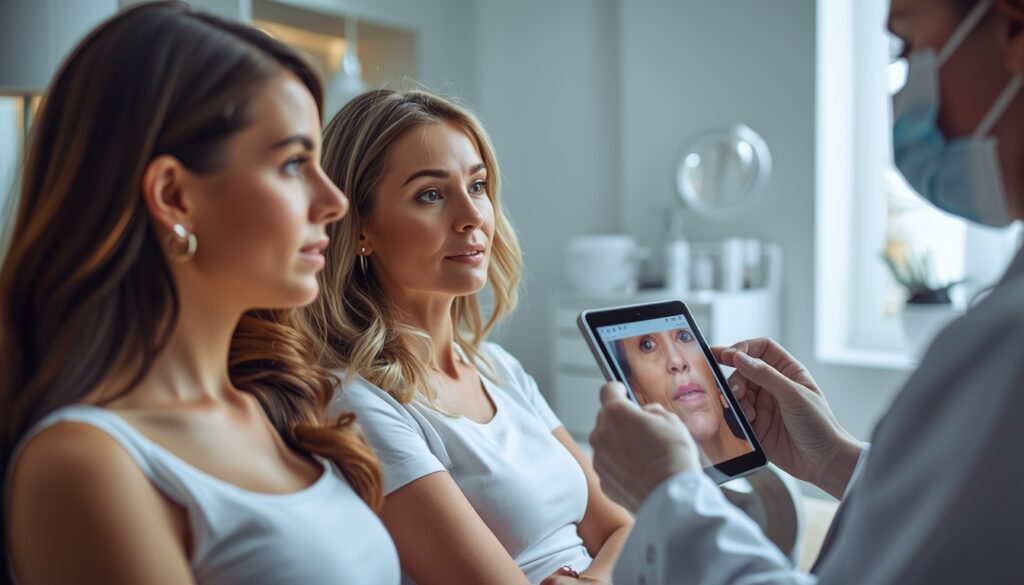
A thorough consultation with an experienced aesthetic provider makes a meaningful difference in outcomes. Skilled providers evaluate the skin’s texture, elasticity, and existing volume distribution before making any recommendations. They consider how the face moves naturally during expression and how various treatments might interact over time. They are also transparent about what is realistic, which prevents patients from pursuing approaches that do not suit their anatomy or goals.
Safety is another reason professional guidance matters. Neurotoxins and dermal fillers are medical-grade products that require precise placement to achieve natural results and avoid complications. Resurfacing treatments must be calibrated to the skin type and condition of the individual patient. These are not decisions to make based on price alone or convenience.
Refine Med Spa in Centennial, Colorado, offers personalized wrinkle treatment consultations for patients across the Denver area and surrounding communities. Led by Jackie, RN, a master injector with more than a decade of experience in aesthetic medicine, the practice takes a thorough, patient-centered approach to every treatment plan. Every recommendation is based on the patient’s unique anatomy, skin condition, and goals, not a standardized menu of procedures.
Find the Right Wrinkle Treatment for Your Stage of Life
The best wrinkle treatment is not the newest technology or the most popular procedure. It is the one that addresses your specific concerns, suits your skin’s current condition, and fits within a plan that makes sense for where you are in life.
Starting early with preventative treatments like neurotoxins and collagen-stimulating resurfacing can preserve skin quality well into the future. Layering in fillers and more advanced resurfacing as needed in later decades allows for natural correction without overtreatment. And maintaining a consistent plan with a trusted provider ensures that results stay balanced and appropriate as the face continues to change over time.
If you are considering wrinkle treatment or facial rejuvenation options in the Denver or Centennial area, the team at Refine Med Spa is ready to help you build a plan that fits your goals. Schedule a consultation today and take the first step toward results that look and feel like you.