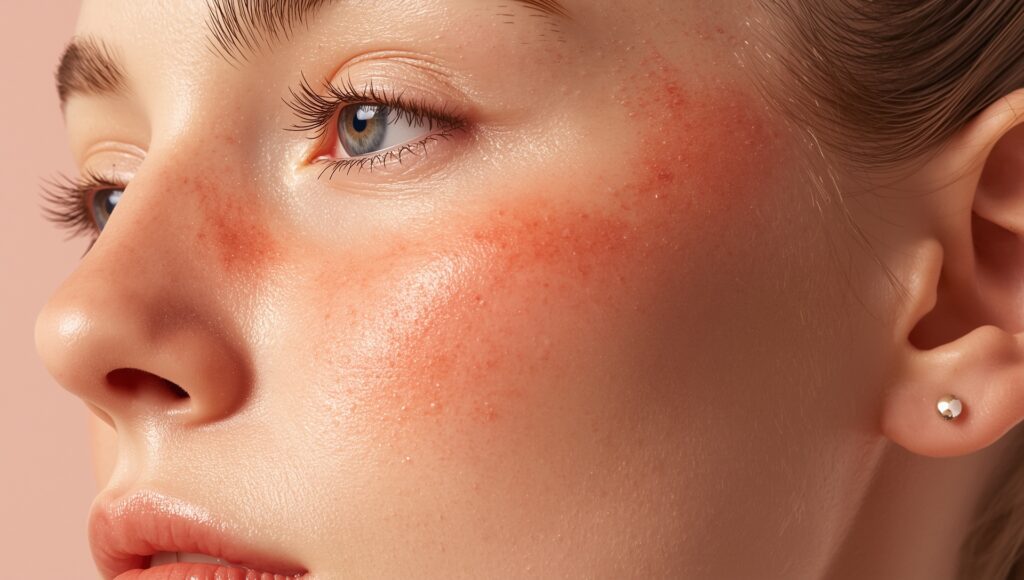
We often think of our skin as a visual record of daily life. It reflects time spent outdoors, environmental exposure, stress, and even genetics. While some of these marks feel meaningful, others can slowly become frustrating. Persistent redness, visible sun damage, and uneven skin tone are among the most common reasons people feel dissatisfied with their complexion. These concerns can make skin appear dull, blotchy, or tired, even when overall health is good.
Many people attempt to correct these issues using topical creams or at home remedies. While skincare products play an important role in maintenance, they often struggle to reach deeper pigment or vascular issues. Conditions like broken capillaries or long standing sun spots develop beneath the surface of the skin, where creams alone cannot effectively reach. When surface level solutions no longer deliver results, a targeted in office treatment becomes necessary.
Intense pulsed light skin rejuvenation offers a science based approach to addressing redness, sun damage, and uneven tone at their source. By using specific wavelengths of light, IPL targets unwanted pigment and visible blood vessels without harming surrounding tissue. Understanding how this technology works helps patients make informed decisions and approach treatment with realistic expectations.
What Is Intense Pulsed Light Skin Rejuvenation
Intense pulsed light is a non-invasive treatment that uses high energy pulses of broad spectrum visible light to improve skin clarity. Unlike laser devices that emit a single focused wavelength, IPL releases multiple wavelengths in controlled pulses. This allows it to treat a wider range of skin concerns during a single session.
The technology works through a process known as selective photothermolysis. Light energy penetrates the skin and is absorbed by specific targets called chromophores. In photofacial skin rejuvenation treatments, these targets are primarily melanin and hemoglobin. Melanin is responsible for brown pigmentation, while hemoglobin is found in red blood cells within visible blood vessels.
When the light energy reaches these targets, it converts into heat. This heat damages the unwanted pigment or vessel walls while leaving surrounding skin intact. Over time, the body naturally clears the damaged material, resulting in clearer and more evenly toned skin.
Because IPL delivers light in pulses rather than continuous energy, it is generally gentler on the skin surface. This makes intense pulsed light skin rejuvenation a suitable option for patients seeking noticeable improvement without significant downtime.
Understanding Redness and Vascular Skin Concerns
Facial redness can develop for several reasons, many of which are difficult to control. Genetics, environmental exposure, and chronic skin conditions all play a role. For some individuals, redness is constant, while for others it appears during temperature changes, stress, or physical activity.
One of the most common causes of redness is dilated or broken capillaries. These tiny blood vessels sit just beneath the surface of the skin. When their walls weaken, they remain permanently expanded and visible. This often appears as fine red lines around the nose, cheeks, and chin.
Diffuse redness is another frequent concern. It may resemble a mild sunburn that never fully fades. This type of redness is commonly associated with rosacea, a chronic inflammatory condition. Environmental triggers such as wind, heat, cold, alcohol, and sun exposure can worsen symptoms.
Because vascular concerns originate beneath the skin, they rarely respond to topical products alone. Treating them effectively requires targeting the blood vessels themselves.
How IPL Targets Redness
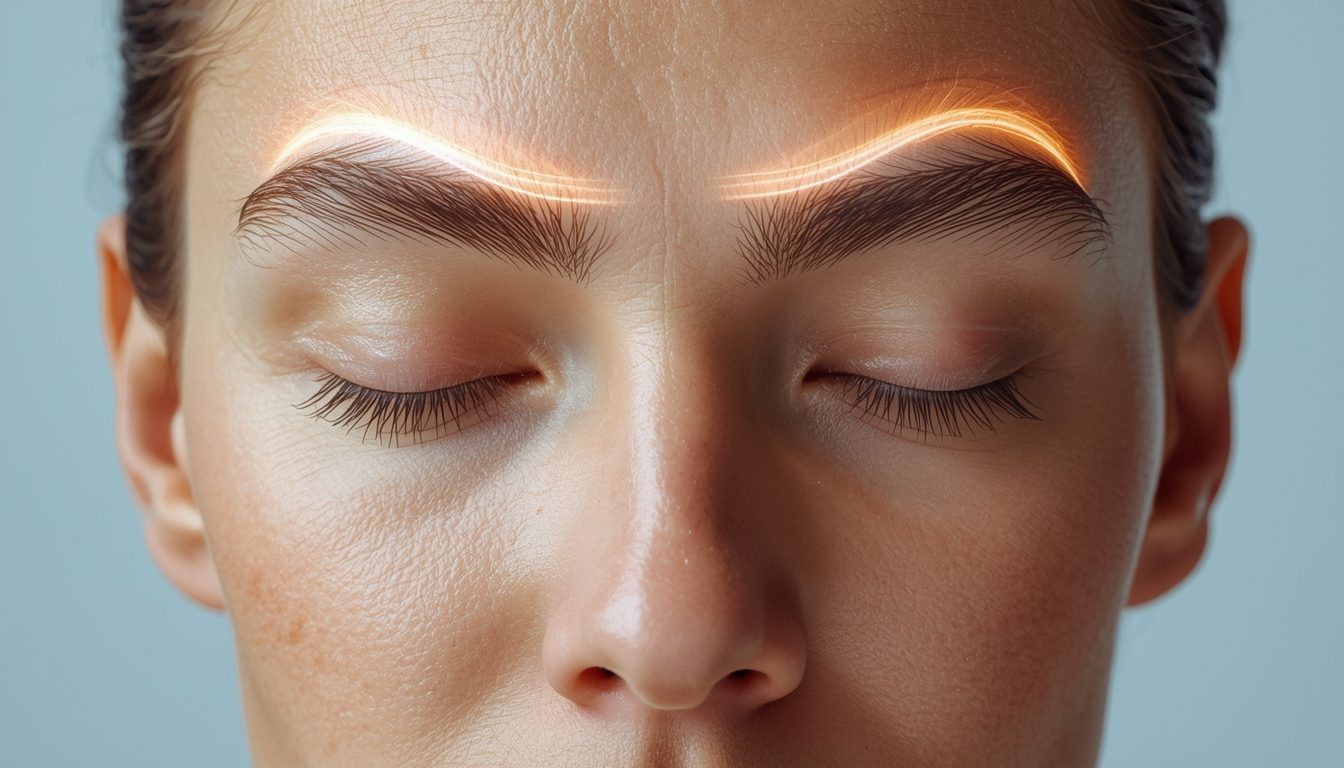
IPL treats redness by targeting hemoglobin within visible blood vessels. During IPL photofacial treatment, the device is calibrated to emit wavelengths that are absorbed by red blood cells. When the light energy is absorbed, it heats the vessel walls.
This controlled heating causes the vessel to collapse and seal shut. Once sealed, blood no longer flows through the vessel. Over time, the body recognizes the collapsed vessel as unnecessary and gradually reabsorbs it.
Patients may notice immediate improvement in some visible vessels, while others darken slightly before fading. Diffuse redness typically improves more gradually as the overall vascular network becomes less prominent. While IPL significantly reduces visible redness, it does not cure underlying conditions like rosacea. Maintenance treatments may be recommended for long term management.
Understanding Sun Damage and Pigmentation
Sun damage develops gradually through repeated exposure to ultraviolet radiation. When UV rays penetrate the skin, melanocytes produce melanin to protect deeper layers from DNA damage. Over time, this process becomes uneven, leading to concentrated pigment deposits.
Sun spots, often called age spots or liver spots, are areas where melanin has accumulated. They commonly appear on the face, chest, hands, and shoulders. Freckles may also darken and multiply with sun exposure.
As skin ages, cell turnover slows. Pigmented cells remain on the surface longer, making discoloration more visible. Without intervention, these spots tend to persist and increase over time.
How IPL Treats Sun Damage
IPL is particularly effective at treating excess melanin. During treatment, light energy targets pigmented areas, where melanin absorbs the light and heats rapidly. This heat breaks pigment into tiny particles.
Following treatment, pigmented spots often darken temporarily. This darkening is expected and indicates that pigment has absorbed energy. Over the following days, these spots rise to the surface and naturally flake away as the skin renews itself.
This process removes pigment rather than bleaching it, resulting in a more natural and even appearance. Because pigment clearance relies on the body’s healing response, improvement appears gradually.
Uneven Skin Tone and Its Impact on Appearance
Uneven skin tone often affects perceived age more than fine lines. Discoloration disrupts how light reflects off the skin, reducing brightness and clarity. Even healthy skin can appear tired when tone is inconsistent.
Redness around the nose or cheeks can mimic irritation or illness, while brown patches can create shadows that exaggerate texture. Correcting tone restores balance, allowing skin to reflect light evenly and appear smoother.
How IPL Improves Uneven Skin Tone
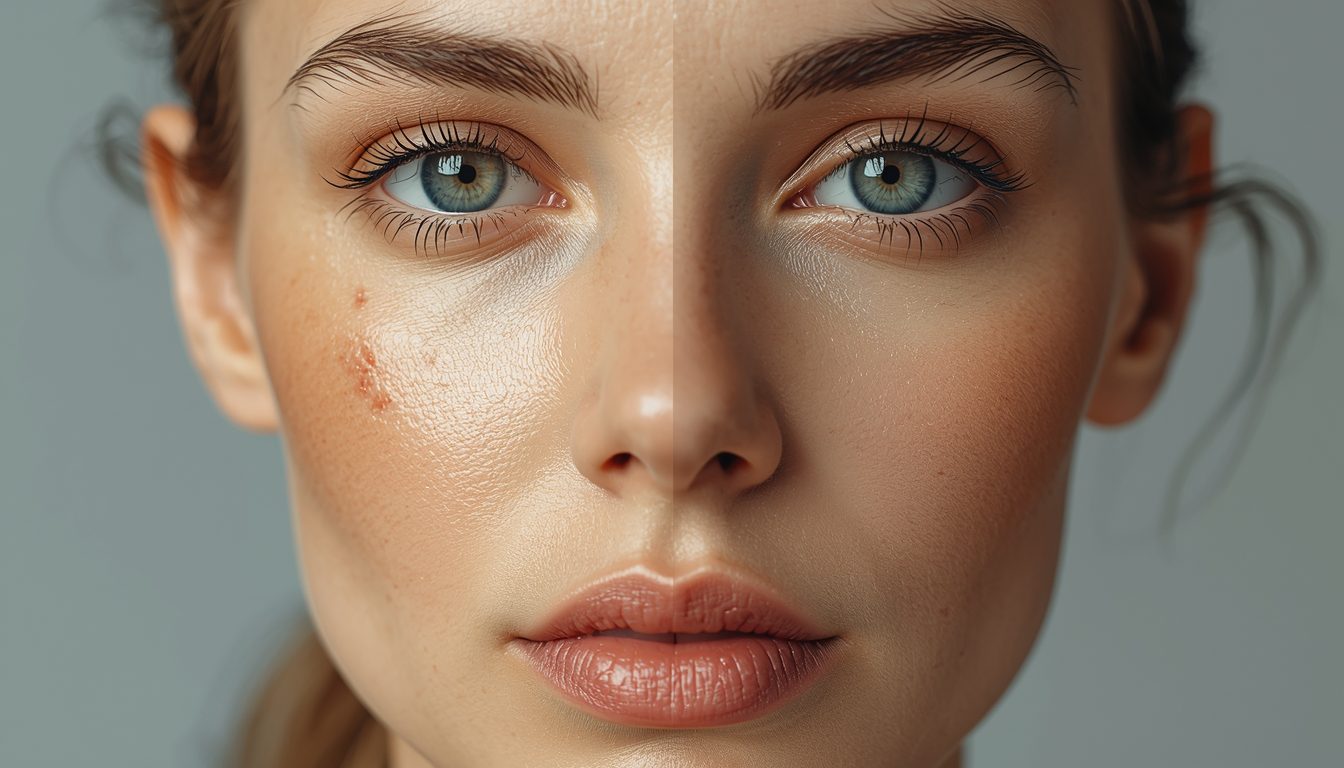
IPL addresses multiple color irregularities simultaneously. Because it targets both melanin and hemoglobin, it treats redness and pigmentation in a single session. Providers can customize settings to address specific concerns across different areas of the face.
Improvement builds gradually with each session. As pigment clears and vessels fade, the background tone becomes more uniform. This blending effect creates a refreshed appearance without altering facial structure.
Conditions That Respond Well to IPL
Intense pulsed light is a versatile tool, but it works best when matched with specific conditions. It is ideal for patients who have superficial color irregularities. The treatment excels at addressing:
- Redness: Including general flushing and dilated blood vessels.
- Sun damage: Such as age spots, sun spots, and solar lentigines.
- Brown spots: Including freckles that have darkened over time.
- Uneven pigmentation: General mottling of the skin tone.
- Mild vascular issues: Like spider veins around the nose and cheeks.
Patients whose primary concern involves discoloration often see significant benefit.
Conditions IPL Does Not Treat
While intense pulsed light is powerful, it is not a cure-all for every skin concern. It is important to have realistic expectations about what this technology can and cannot do. IPL focuses primarily on color correction and mild texture improvement. It is generally not the best choice for:
- Deep wrinkles: While IPL can stimulate some collagen, it is not aggressive enough to smooth out deep dynamic wrinkles or folds.
- Skin laxity: IPL will not significantly tighten sagging skin or lift jowls.
- Severe acne scarring: Deep pitted scars or ice-pick scars usually require laser resurfacing or microneedling.
Additionally, IPL may not be suitable for darker skin tones. Because the device targets melanin, there is a risk that it could target the natural pigment in darker skin, potentially causing burns or hypopigmentation. A professional consultation is vital to determine if your skin type is safe for this technology.
What to Expect During an IPL Photofacial Treatment
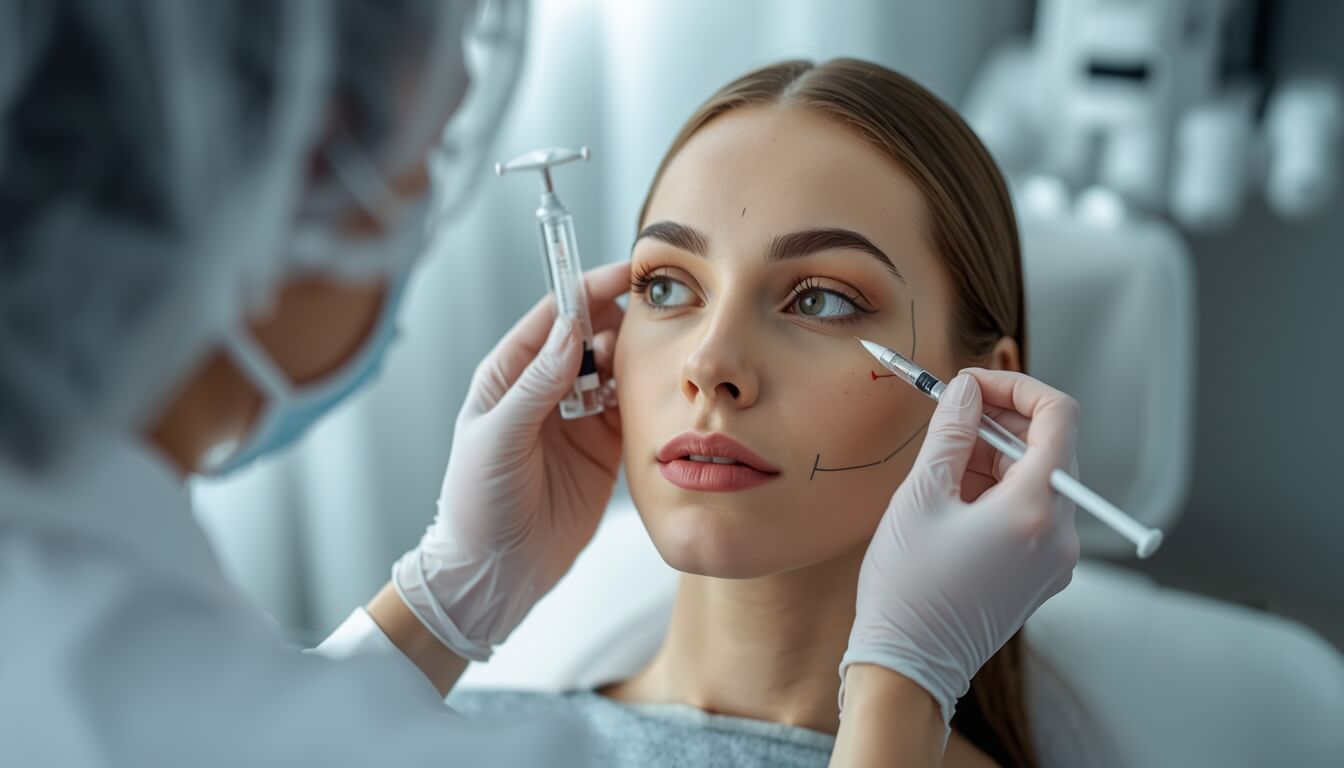
Walking into a medical spa for a light-based treatment can feel intimidating if you do not know what to expect. At Refine Med Spa, we ensure the process is transparent and comfortable. It always begins with a consultation where we assess your skin type and discuss your medical history to ensure safety.
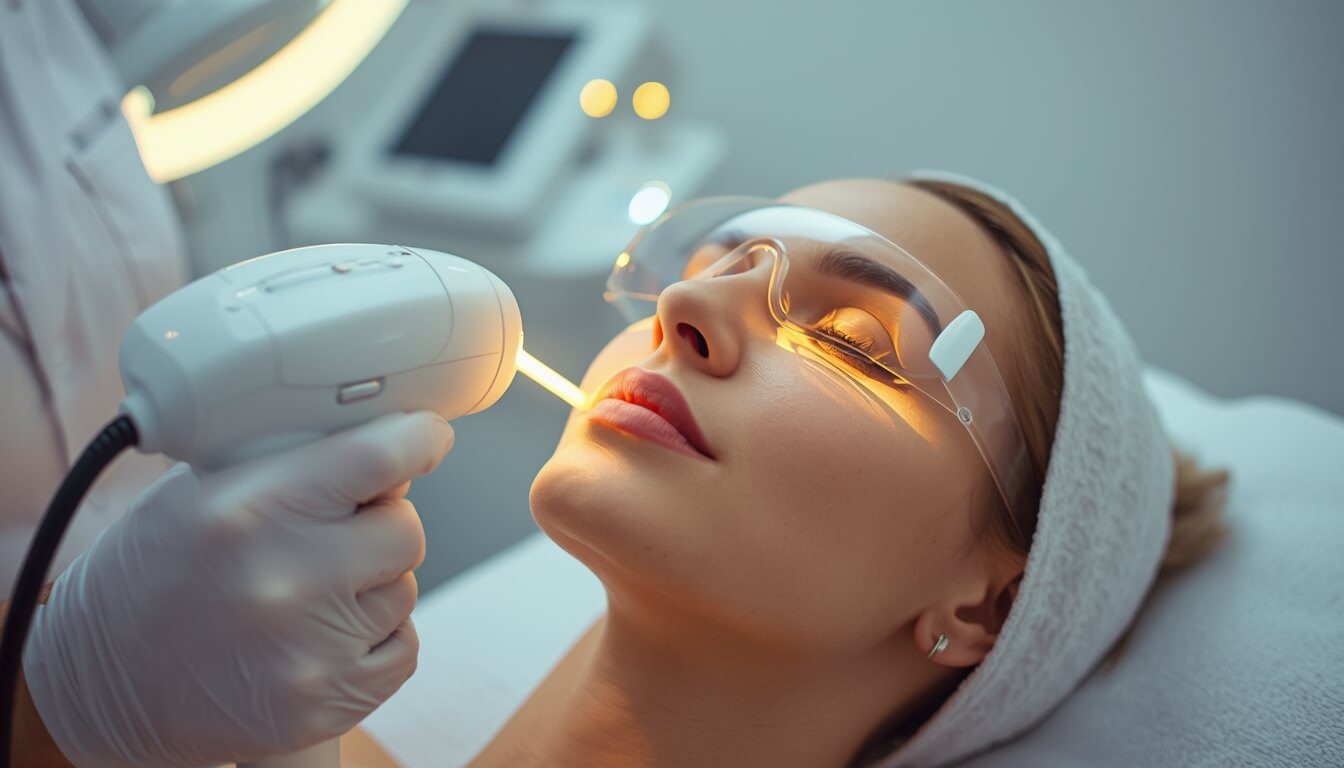
Once you are cleared for treatment, your skin will be cleansed, and you will be given protective eyewear. A cool gel is applied to the treatment area. This gel helps conduct the light into the skin and keeps the surface cool and comfortable.
During the treatment, the provider will move a smooth glass handpiece over your skin. As the pulses of light are delivered, you will see bright flashes (even with eyes closed) and feel a sensation on the skin. Most patients describe it as a light snap of a rubber band against the skin. It is generally well-tolerated and does not require anesthetic, though the sensation can be slightly more intense in sensitive areas like the upper lip.
A full face treatment is quick, usually taking about 20 to 30 minutes. This makes it easy to fit into a busy schedule, often referred to as a “lunchtime procedure.”
Recovery and Aftercare
One of the main advantages of intense pulsed light is the minimal downtime. You do not need to hide away for days after the procedure. However, your skin will look a little different immediately following the session.
It is normal to feel like you have a mild sunburn for a few hours after treatment. You may experience some slight swelling and redness, which usually subsides within a day. If we treated brown spots, those spots will darken immediately. This is perfectly normal and a sign the treatment was effective.
Over the next week, those dark spots will feel dry and rough, eventually flaking off. It is crucial that you do not pick, scratch, or scrub these spots. Let them fall off naturally to avoid scarring.
The most critical part of aftercare is sun protection. Your skin will be sensitive to UV light while it heals. You must wear a high-quality, broad-spectrum sunscreen every day and avoid direct sun exposure. Treating sun damage only to go back out in the sun without protection will undo the results and potentially cause new damage.
How Many IPL Sessions Are Usually Needed
Skin rejuvenation is rarely a “one and done” event. While you will likely see a visible difference after a single treatment, significant and lasting results typically require a series of sessions.
Most providers recommend a series of 3 to 5 treatments, spaced about 4 weeks apart. This spacing is necessary to allow your skin to heal and clear the debris from the previous session. It also accounts for the fact that not all pigment or vessels will respond to the first pass.
Layering the treatments allows us to be safe and effective. Trying to blast all the pigment in one session would require energy levels that could be unsafe for the skin. By breaking it up into a series, we can gradually clear the complexion while keeping the skin healthy. Once the initial series is complete, many patients opt for one or two maintenance treatments per year to keep their skin looking fresh.
Safety and Professional Oversight
Because IPL devices are widely available, there is a misconception that they are foolproof. However, this is a medical procedure that involves delivering powerful energy into the skin. Safety relies entirely on the skill and knowledge of the provider.
Correct settings are critical. If the energy is too low, you will see no results. If the energy is too high, or if the wrong wavelength is chosen for your skin type, it can cause burns, blisters, or permanent pigment changes. This is particularly true for patients with tan or olive skin.
This is why medical supervision matters. A trained provider understands the physics of light and the biology of skin. They know how to assess your Fitzpatrick skin type and adjust the pulse duration and fluence (energy level) accordingly. They also know which medications might make you photosensitive and increase your risk of a reaction. Trusting your face to an experienced professional ensures that your journey to clearer skin is both safe and effective.
Why Patients Choose Refine Med Spa for IPL Treatments
Refine Med Spa emphasizes personalized care and medically supervised treatments. Providers assess each patient individually and design treatment plans based on skin type and goals. Advanced technology and a supportive environment help patients achieve natural looking results.
Conclusion
Redness, sun damage, and uneven tone can affect confidence, but they are not permanent conditions. Intense pulsed light skin rejuvenation offers a proven approach to correcting discoloration by targeting pigment and vascular concerns beneath the surface. With proper treatment planning and professional oversight, IPL restores clarity and balance while preserving skin integrity.
For those seeking a clearer complexion with minimal downtime, IPL provides an effective solution. A consultation is the best way to determine if this treatment aligns with your goals.