The modern approach to skin health has moved far beyond the idea of fixing one visible concern at a time. For many years, aesthetic treatments focused on erasing a wrinkle, filling a fold, or targeting a single area that appeared tired or aged. While those treatments can be effective in isolation, they often fail to address the broader changes happening beneath the surface of the skin. True skin rejuvenation requires a deeper understanding of how aging affects multiple layers at once.
Skin aging is not limited to fine lines. It involves changes in texture, tone, volume, circulation, and cellular activity, all occurring simultaneously. When these factors are treated separately or inconsistently, results may look incomplete or short-lived. This is why many people feel that they are constantly chasing new concerns rather than enjoying long-term improvement.
This is where the concept of therapy for skin rejuvenation becomes essential. Rather than approaching treatments as isolated fixes, this method treats skin health as an ongoing, medically guided process. By combining different treatment modalities, such as light-based therapy, injectables, and collagen stimulation, it becomes possible to address the full spectrum of skin aging. The result is not only visible improvement but also stronger, healthier skin that continues to perform better over time.
This guide explains why a combination approach produces more natural and sustainable outcomes, and how a structured treatment plan supports long-term skin health rather than temporary cosmetic change.
Why Skin Aging Is Not a Single Issue
To understand why combination therapy is so effective, it helps to look at how aging actually affects the skin. Aging is not caused by one single process. It is the result of multiple biological changes that occur across different layers of facial anatomy.
Epidermal Changes
The epidermis is the outermost layer of your skin. As we age, cell turnover slows down significantly. In our youth, cells renew rapidly, resulting in a smooth and reflective surface. Over time, dead skin cells accumulate, leading to a dull or rough texture. Environmental damage also accumulates here in the form of sun spots and fine lines.
Dermal Collagen Decline
Beneath the epidermis lies the dermis, the structural support system of the skin. This layer is rich in collagen and elastin, the proteins responsible for firmness and elasticity. Starting in our mid-20s, we lose about 1% of our collagen every year. This structural decline leads to skin laxity and the formation of deeper wrinkles. Treating the surface without addressing this underlying structure often yields incomplete results.
Vascular Changes
Aging and sun exposure can weaken the walls of blood vessels. This often presents as persistent redness, visible capillaries, or a general ruddy complexion. These vascular changes contribute significantly to an aged appearance but are often overlooked in favor of wrinkle reduction.
Pigmentation Irregularities
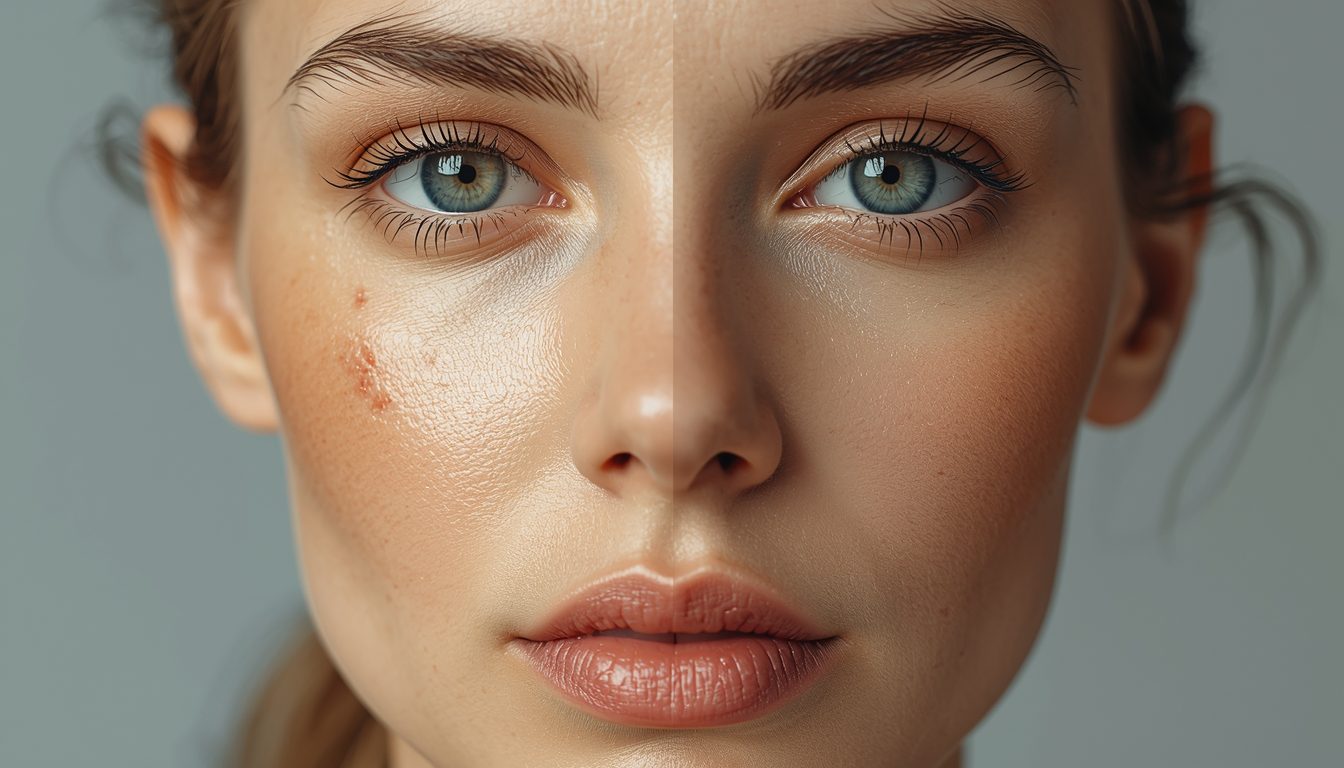
Melanocytes are the cells responsible for skin color. Over time, cumulative sun exposure causes these cells to behave erratically, clumping together to form age spots or hyperpigmentation. This creates an uneven skin tone that reflects light poorly, making the face appear older regardless of wrinkle count.
Muscle Movement Patterns
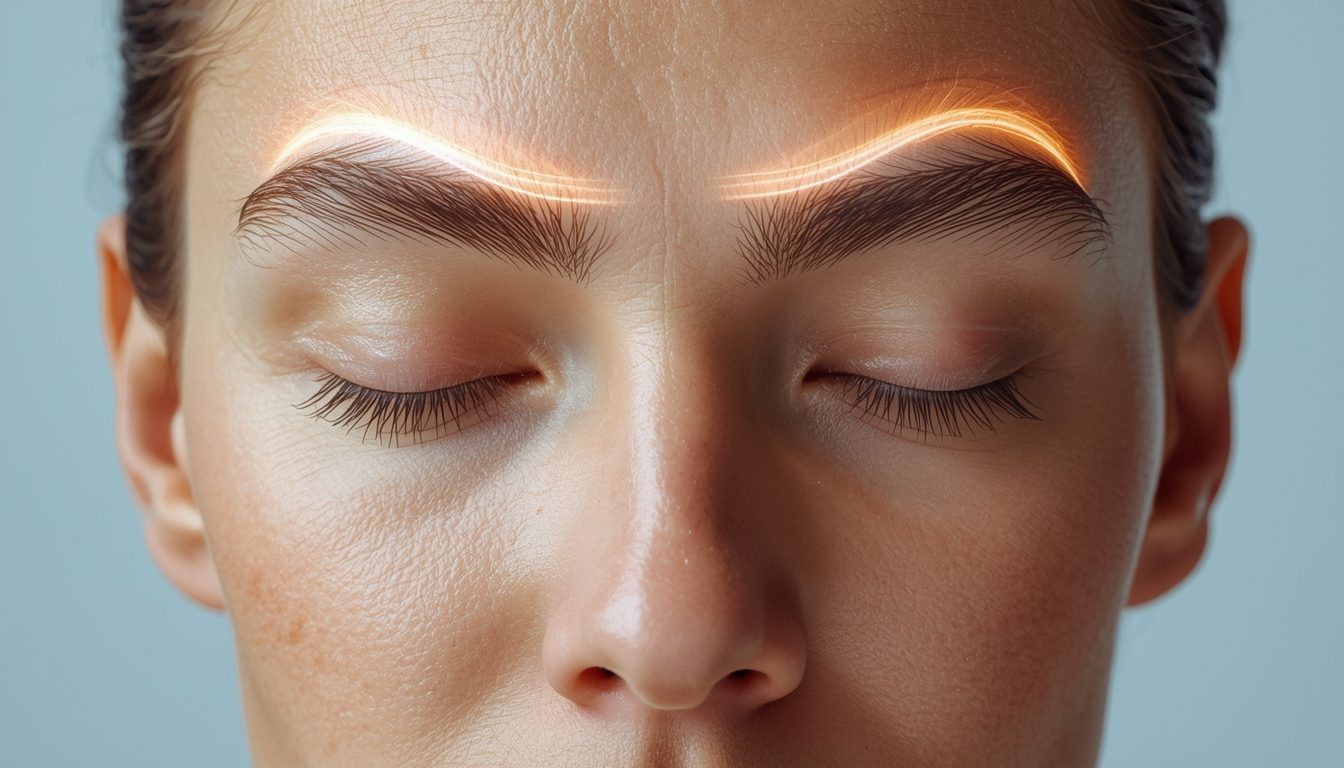
Facial expressions are a part of life, but repetitive muscle movement eventually etches lines into the skin. When the skin loses collagen, it stops bouncing back after a smile or frown. These dynamic lines eventually become static lines that are visible even when the face is at rest.
Because aging is happening on all these levels at once, relying on a single treatment type means ignoring the other contributing factors. A filler might restore volume, but it will not fix sun damage. A laser might clear pigmentation, but it cannot relax a deep frown line.
What Therapy for Skin Rejuvenation Means
In medical aesthetics, the word therapy implies intention, structure, and progression. Therapy for skin rejuvenation is not about a single appointment or one-time improvement. It is a long-term strategy designed to support skin function and appearance over time.
This approach differs from traditional cosmetic treatments in several key ways. Rather than reacting to visible concerns as they appear, therapy focuses on proactive management. It considers the full facial anatomy, skin biology, and lifestyle factors that influence aging.
Therapy for skin rejuvenation is built on three principles:
- Correction of existing damage such as pigmentation, wrinkles, and volume loss
- Prevention of future aging through collagen stimulation and muscle relaxation
- Maintenance of results through ongoing care and adjustment
By viewing skin care as a continuous process, patients avoid the cycle of waiting for damage to become noticeable before addressing it. Instead, they maintain healthier skin that ages more gradually and predictably.
Why Combination Treatments Produce Better Outcomes
Combining treatments is not about doing more. It is about doing what is necessary to achieve balance. Each treatment modality addresses a different aspect of aging. When used together thoughtfully, their effects reinforce one another.
More Balanced Results
Using only one type of treatment often places too much responsibility on that modality. For example, relying solely on dermal fillers to lift sagging skin can lead to overfilling. When combined with collagen-stimulating treatments or skin tightening therapies, less filler is needed to achieve a natural result.
Longer Lasting Improvements
Combination therapy strengthens the skin at multiple levels. Treating surface pigment while stimulating collagen and relaxing muscle movement creates a more stable foundation. This layered support allows results to last longer than isolated treatments.
Natural Appearance
Subtle improvements across multiple areas are less noticeable than dramatic changes in one feature. Combination therapy enhances overall harmony, allowing the face to look refreshed rather than altered.
Reduced Overcorrection Risk
Spreading treatment effects across different modalities reduces the need for aggressive intervention. This lowers the risk of complications and preserves facial balance.
Core Treatment Categories Used in Combination Therapy
To build an effective therapy for skin rejuvenation plan, we utilize several primary categories of treatment. Each serves a distinct purpose and targets a specific layer of the anatomy.
Neurotoxin Treatments
Neurotoxins reduce excessive muscle movement that causes expression lines. They help prevent wrinkles from deepening and protect other treatments from being broken down by constant motion.
Dermal Fillers
Fillers restore lost volume and provide structural support. They are used strategically to lift, contour, and rebalance facial proportions.
Intense Pulsed Light Skin Rejuvenation
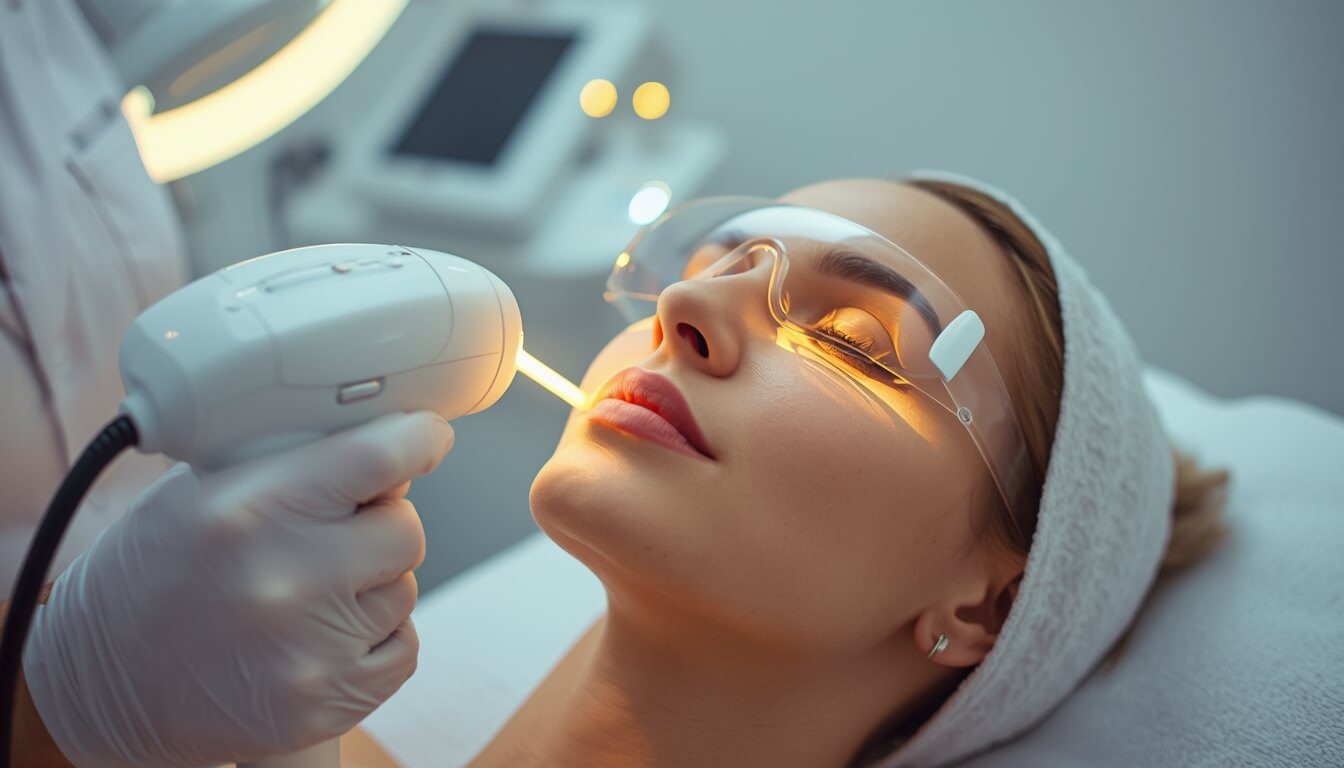
Intense pulsed light skin rejuvenation targets pigmentation and redness. It improves overall tone and clarity by addressing color-based skin concerns.
Microneedling Treatment
Microneedling stimulates collagen and elastin production. It improves texture, firmness, and skin density over time.
Skin Resurfacing Treatments
Resurfacing treatments exfoliate damaged surface layers, revealing smoother and brighter skin underneath.
How Treatments Work Together
Understanding the mechanism of each treatment highlights why they work so well in concert. Here is how we layer these modalities to address specific concerns comprehensively.
Tone and Texture
For a patient struggling with rough, sun-damaged skin, we often combine intense pulsed light skin rejuvenation with microneedling treatment. The light therapy pulls the pigment to the surface and clears the redness, handling the “tone” aspect. Following this with microneedling addresses the “texture” by smoothing the surface and shrinking pores. Together, they create a glass-like finish that neither could achieve alone.
Movement and Structure
Deep lines on the forehead or around the mouth are often a combination of muscle movement and volume loss. Treating deep frown lines with neurotoxin alone might relax the muscle, but the crease may remain if the skin has thinned. Adding a small amount of dermal filler or performing collagen-induction therapy helps fill in that crease. The neurotoxin protects the filler from being broken down by constant movement, extending the life of the result.
Pigmentation and Redness
Some patients suffer from both brown spots (sun damage) and red flushing (rosacea). While intense pulsed light is excellent for both, combining it with a proper medical-grade skincare regimen at home enhances the clearance rate. We treat the visible pigment in the office, while topical antioxidants and tyrosinase inhibitors prevent new pigment from forming between sessions.
Collagen Production Over Time
Perhaps the most powerful combination is pairing immediate correction with long-term stimulation. We might use dermal fillers to provide instant lift for an event or immediate satisfaction. However, we simultaneously start a series of microneedling or biostimulatory treatments. As the filler slowly metabolizes over the coming months, the body’s own new collagen grows in to take its place. This creates a seamless transition and results that improve over time.
Customization and Treatment Planning
No two faces age the same way. Personalization is essential for safety and effectiveness.
Factors that influence treatment planning include:
- Skin type and sensitivity
- Lifestyle and sun exposure
- Age and rate of collagen loss
- Long-term aesthetic goals
At Refine Med Spa, treatment plans are adjusted over time as skin responds and goals evolve.
A Timeline Based Approach to Skin Rejuvenation Therapy
Patience is a virtue in aesthetics. Because we are dealing with biological processes like collagen synthesis, results do not happen overnight. We view therapy for skin rejuvenation in three distinct phases.
- Initial Correction Phase: This phase focuses on clearing visible damage and restoring balance. It may include multiple sessions over several months.
- Progressive Rebuilding Phase: Once correction is achieved, treatments shift toward collagen stimulation and skin strengthening.
- Long-Term Maintenance Phase: Maintenance keeps skin functioning at a higher level with fewer, less aggressive treatments.
Safety and Medical Oversight
The growing popularity of aesthetic treatments has led to their availability in many non-medical settings. However, combination therapy relies on advanced medical devices and biologically active treatments that require proper clinical oversight. Safe and effective outcomes depend on professional assessment, precise execution, and ongoing supervision.
Clinical Assessment
Before any treatment begins, a comprehensive medical history and skin evaluation are essential. Factors such as underlying health conditions, medications, skin sensitivity, and healing patterns directly influence which treatments are appropriate. Certain medications or autoimmune conditions can make specific procedures unsafe. A trained medical professional is required to evaluate these variables and design a plan that prioritizes safety.
Correct Treatment Sequencing
The order in which treatments are performed matters. Certain heat-based procedures should not be done immediately after filler injections, as they may affect product integrity. Similarly, resurfacing treatments cannot follow aggressive exfoliation without proper healing time. Medical providers understand skin biology and wound healing, allowing them to sequence treatments so each one supports, rather than compromises, the next.
Professional Supervision
Although complications are uncommon, they are always a possibility with medical aesthetic treatments. In a medical spa setting, trained professionals monitor your care and are prepared to manage any adverse reactions promptly. This level of supervision provides peace of mind and allows patients to proceed with confidence.
Who Benefits Most From Combination Skin Rejuvenation Therapy
While many individuals can benefit from improved skin health, combination therapy is especially effective for certain concerns.
Patients With Multiple Concerns
When redness, wrinkles, and skin laxity appear together, a single treatment often delivers limited results. Combination therapy addresses these issues simultaneously, creating a more complete and efficient approach to global skin aging.
Individuals Seeking Non Surgical Facial Treatments
Many patients want noticeable improvement without surgery. While non-surgical treatments cannot replace a facelift, combining tightening, volumizing, and resurfacing therapies can significantly delay the need for surgical intervention. This approach offers meaningful results without extended downtime.
Patients Focused on Skin Quality
Some individuals have strong facial structure but struggle with uneven texture, scarring, or dullness. For these patients, resurfacing and microneedling combinations can dramatically improve skin clarity and smoothness, often enhancing confidence more than structural changes alone.
Why the Medical Spa Environment Matters
Where you receive your therapy for skin rejuvenation is just as important as the treatments themselves. Refine Med Spa provides an environment that blends medical expertise with personalized aesthetic care.
Medical Grade Technology
We utilize FDA-cleared, medical-grade devices designed for precision and safety. Treatments such as intense pulsed light skin rejuvenation and laser therapy rely heavily on accurate energy delivery. Medical-grade technology allows for controlled settings that deliver better results than lower-powered alternatives.
Trained Providers
Our providers are experienced injectors and aestheticians with advanced training in skin biology and facial anatomy. Ongoing education ensures they stay current with evolving techniques and safety standards. This expertise supports outcomes that look natural, balanced, and appropriate for each patient.
Structured Treatment Planning
We approach care with a long-term perspective. Detailed treatment records allow us to track how your skin responds and refine your plan over time. This structured approach eliminates guesswork and supports steady, predictable improvement.
Conclusion
Therapy for skin rejuvenation is a thoughtful approach to aging that respects the complexity of skin biology. By combining treatments that address tone, texture, volume, and movement, it becomes possible to achieve results that look natural and last longer.
Rather than chasing isolated concerns, this strategy builds healthier skin that continues to improve over time. With professional guidance and a personalized plan, skin rejuvenation becomes a sustainable journey rather than a series of short-term fixes.
Ready to Build Your Plan?
If you are curious about how combination therapy can transform your skin, the next step is a conversation. We invite you to schedule a consultation with our experts to discuss your goals and design a personalized skin rejuvenation therapy plan tailored just for you.