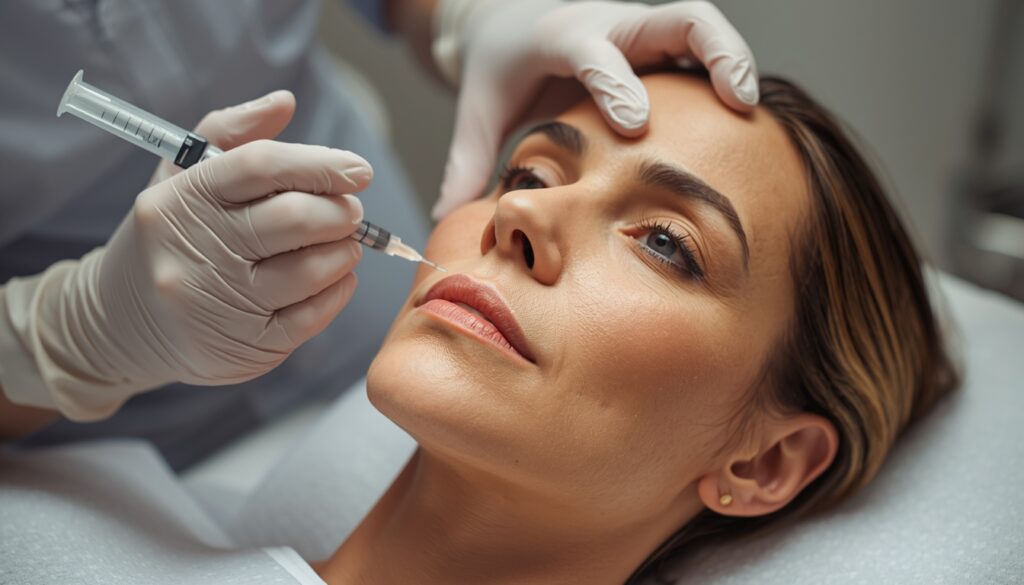
Aging is a natural process. But that doesn’t mean you have to accept every change it brings to your face. Over time, the skin loses volume, lines deepen, and facial contours shift in ways that can leave you looking tired or older than you feel. For many people, that gap between how they look and how they feel is what drives them to explore solutions.
Non surgical dermal fillers have become one of the most popular minimally invasive options for addressing these changes. They offer real, visible results without the recovery time that comes with surgery. No general anesthesia, no lengthy downtime, and no dramatic alteration of your natural features. Just a subtle restoration of what time has quietly taken away.
Interest in non surgical dermal fillers has grown steadily over the past decade. More people are looking for treatments that fit into their lives, not the other way around. A short appointment, a natural-looking outcome, and the ability to return to your day almost immediately. It’s easy to see why so many are choosing this path over more invasive alternatives.
This article explains everything you need to know. From what causes facial aging to how fillers work, what areas they treat, and what makes a great provider.
Understanding Age-Related Facial Changes
To understand why fillers work so well, it helps to first understand what aging actually does to your face. The changes you see in the mirror are the result of several biological processes happening simultaneously beneath the surface.
Collagen loss is one of the most significant factors. Collagen is the structural protein that gives skin its firmness and bounce. Starting in your mid-20s, the body begins producing less of it each year. By the time most people reach their 40s, the difference is clearly visible. Skin becomes thinner, less elastic, and more prone to creasing.
Fat pad shifting is another major contributor. The face is supported by compartments of fat positioned beneath the skin. These fat pads keep cheeks lifted, define the jawline, and fill out the area under the eyes. With age, they shrink and descend. This downward shift creates hollowness in areas like the cheeks and temples while adding heaviness along the jawline and lower face.
Loss of skin elasticity compounds both of these changes. Elastin, the protein responsible for helping skin snap back into place, also declines with age. Combined with reduced collagen and shifting fat, this leads to sagging, deepened folds, and an overall loss of facial definition.
Bone resorption also plays a role. The facial bones gradually remodel over time, reducing the scaffolding that supports soft tissue above. This contributes to changes around the eyes, cheeks, and chin. These structural changes explain why a targeted approach, one that restores both volume and support, is often more effective than surface-level treatments alone.
What Non-Surgical Dermal Fillers Are
Non surgical dermal fillers are injectable substances used to restore facial volume, smooth lines, and enhance contours. Most modern fillers are made from hyaluronic acid, a naturally occurring substance found in the skin and connective tissue. Hyaluronic acid attracts and binds water molecules, which gives it a unique ability to add volume and hydration precisely where it’s needed.
When injected, the filler integrates with surrounding tissue to plump hollowed areas, lift sagging structures, and soften deep lines. The results are immediate and, depending on the product used, can last anywhere from six months to two years or more.
Two of the most widely used hyaluronic acid filler brands are Juvederm dermal fillers and Restylane dermal fillers. Each comes in a range of formulations designed for different areas and treatment goals.
Juvederm dermal fillers are known for their smooth consistency, which makes them well-suited for lip enhancement and fine-to-moderate lines. Different products within the Juvederm family are formulated with varying thickness to target specific facial areas.
Restylane dermal fillers offer a firm, cohesive gel that tends to hold its shape well. This makes Restylane particularly effective for treating nasolabial folds, lifting cheeks, and adding structure to the jawline.
Beyond hyaluronic acid, other filler types include calcium hydroxylapatite and poly-L-lactic acid, both of which stimulate collagen production over time. Your provider will recommend the most appropriate product based on your anatomy and goals.
Areas Dermal Fillers Can Improve
One of the reasons dermal fillers treatment is so versatile is the range of facial areas it can address. The same principle, restoring lost volume and support, applies across very different parts of the face.
Here are the most commonly treated areas:
- Cheeks: Filler adds lift and projection to flat or sunken cheeks, restoring the youthful fullness that often disappears with age. This lift can also improve the appearance of the mid-face and reduce nasolabial fold depth indirectly.
- Lips: Filler enhances lip volume, defines the lip border, and smooths vertical lip lines. Treatment can be subtle and natural, adding softness rather than dramatic size.
- Jawline: Filler along the jaw creates definition and a cleaner facial silhouette. This is especially useful for those who have noticed jowling or softening along the lower face.
- Nasolabial folds: These lines run from the nose to the corners of the mouth. Filler softens their depth, creating a smoother transition between the cheek and lip area.
- Under-eye hollows: Also called tear troughs, these hollows create a shadowed, tired appearance. Careful filler placement in this delicate area can brighten the under-eye zone and reduce the look of dark circles caused by volume loss.
- Temples: Volume loss in the temples can give the upper face a sunken, skeletal appearance. Temple filler restores a rounder, more youthful contour.
Each area requires a different technique, product selection, and injection depth, which is why provider expertise matters enormously.
What to Expect During Dermal Fillers Treatment
For those considering dermal fillers for the first time, knowing what to expect can ease any anxiety about the process.
It begins with a consultation. Your provider will assess your facial anatomy, review your medical history, and listen carefully to your goals. This is not a one-size-fits-all treatment. A thorough consultation shapes a customized plan that considers your unique facial structure and aesthetic preferences. Good providers will also discuss realistic outcomes and explain what fillers can and cannot achieve.
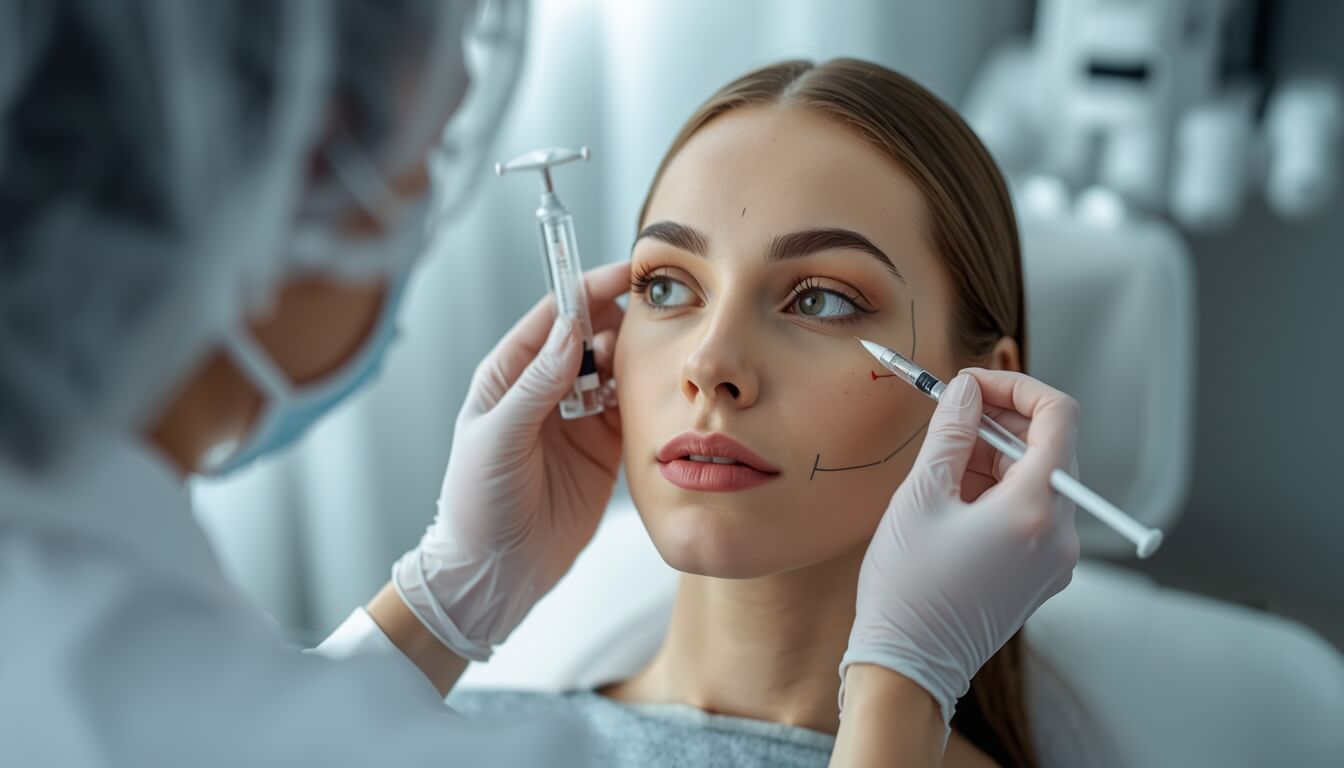
On the day of treatment, the skin is cleansed and a topical numbing cream may be applied to increase comfort. Most fillers also contain lidocaine, a local anesthetic, which further reduces any discomfort during injection.
The injection process itself is relatively quick. Depending on the number of areas being treated, a session typically takes between 30 and 60 minutes. Your provider will use either a fine needle or a blunt-tipped cannula, depending on the area and technique that best fits your needs.
Immediately after treatment, you may notice some mild swelling, redness, or bruising at the injection sites. This is normal and usually resolves within a few days.
Post-treatment care is straightforward. Most providers recommend avoiding intense heat, strenuous exercise, and certain medications for 24 to 48 hours. Results are visible immediately and often improve over the following week as any initial swelling settles.
Benefits of Non-Surgical Dermal Fillers
For those weighing their options for facial rejuvenation treatment, fillers offer a compelling combination of benefits.
- Immediate, visible results: Unlike some skin treatments that require multiple sessions before changes become apparent, fillers deliver noticeable improvement from the very first appointment. You leave looking refreshed, not waiting weeks to see a difference.
- Minimal downtime: Most patients return to work or normal activities the same day. Mild swelling or bruising, if it occurs, typically fades within two to five days.
- Natural-looking outcomes: When placed skillfully, fillers enhance your natural features rather than change them. The goal is to look like a rested, refreshed version of yourself, not like someone who has had work done.
- Customizable treatment plans: Fillers can be tailored entirely to your needs. A small amount placed in one area or a more comprehensive approach treating multiple zones. Treatment is as minimal or as thorough as you want it to be.
- Reversible: Hyaluronic acid fillers can be dissolved with an enzyme called hyaluronidase if you are unhappy with the results or experience any complications. This adds a meaningful layer of safety and flexibility.
- Long-lasting results: Depending on the product and area treated, results typically last six to eighteen months, making fillers a cost-effective option for ongoing facial maintenance.
Dermal Fillers vs Other Facial Rejuvenation Treatments
Dermal fillers are highly effective, but they work best when understood in the context of other available treatments. Each option targets different aspects of aging, and many patients benefit from combining approaches.
Neurotoxins (Botox/Dysport) are the most common injectable treatments used alongside fillers. Where fillers restore volume, neurotoxins relax the muscles that cause dynamic wrinkles, which are lines formed by repeated facial expressions such as frowning or squinting. Crow’s feet, forehead lines, and the lines between the brows respond well to neurotoxins, while deeper folds and volume loss are better addressed with fillers. Using both together is often called a liquid facelift.
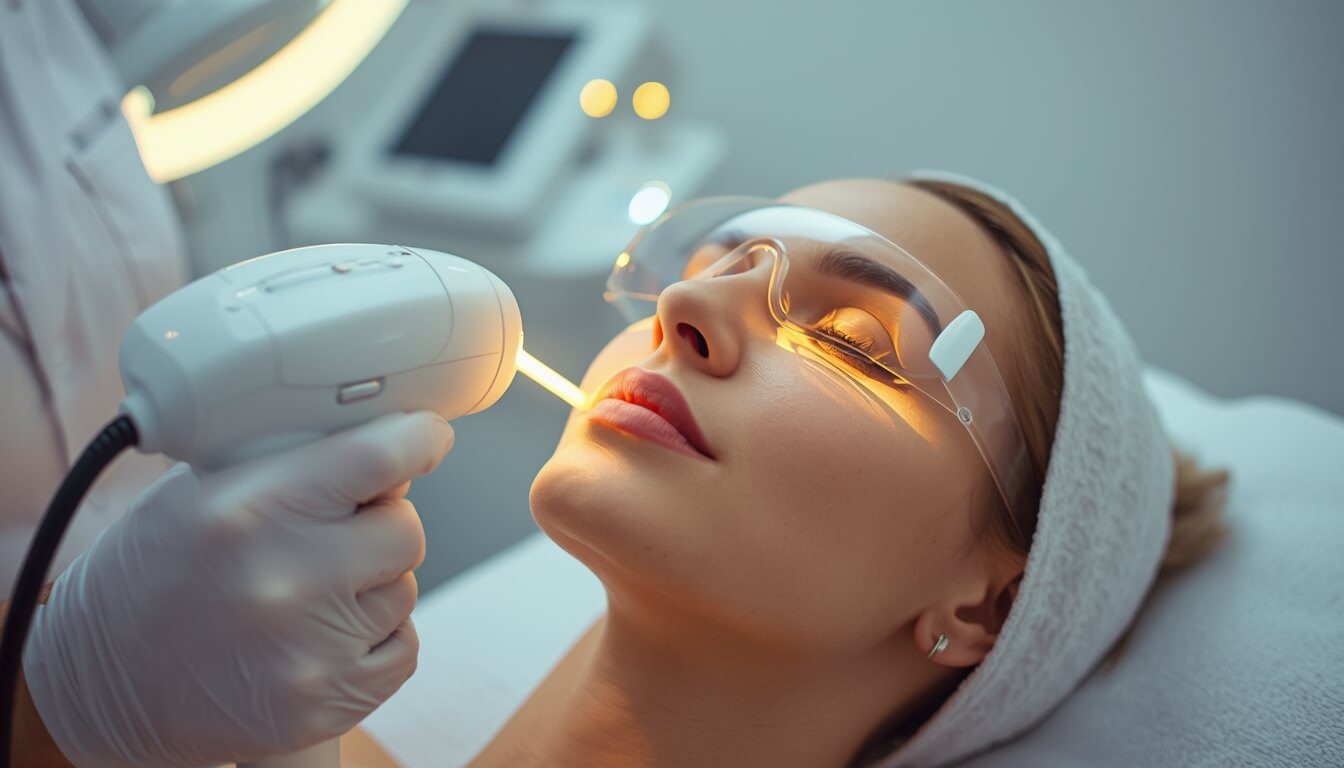
Laser treatments work on the surface and deeper layers of the skin to improve texture, tone, and tightness. They address concerns like sun damage, fine lines, uneven pigmentation, and mild laxity. Lasers improve skin quality from the outside in, while fillers address structural changes beneath the surface. For many patients, combining laser treatments with fillers produces more comprehensive results than either treatment alone.
Microneedling creates controlled micro-injuries in the skin to stimulate collagen and elastin production. Over a series of sessions, it improves fine lines, skin texture, pore size, and overall skin quality. Like laser, microneedling is a surface treatment that works progressively over time. It complements fillers well, particularly for patients who want to improve both volume and skin quality.
The best wrinkle treatment for any individual depends on which changes they want to address. A skilled provider will assess your skin and recommend the right combination based on your anatomy, goals, and timeline.
Why Choosing an Experienced Med Spa Matters
Dermal fillers are a medical procedure. The outcome depends not just on the product used, but on the skill, knowledge, and artistry of the person administering it.
An experienced provider understands facial anatomy at a detailed level. They know where arteries and nerves run, how fat pads are positioned, and how each area of the face interacts with the others. This knowledge is what separates a natural-looking result from an overdone one, and more importantly, it’s what keeps patients safe.
Good injectors also have an eye for facial harmony. Restoring volume in one area without considering how it affects the whole face can create imbalance. A skilled provider treats the face holistically, making adjustments that work together rather than in isolation.
At Refine Med Spa in Centennial, Colorado, lead injector Jackie, RN, brings nearly two decades of nursing experience and more than a decade of aesthetic medicine expertise to every treatment. She has trained alongside top plastic surgeons and holds elite-level certifications with leading aesthetic pharmaceutical companies. Her approach combines deep anatomical knowledge with a careful, personalized treatment philosophy. Patients consistently note that she takes the time to understand their goals, explains the process thoroughly, and delivers results that look balanced and natural.
Choosing a provider with the right credentials, the right experience, and a clear commitment to patient safety is the single most important decision you will make in your filler journey.
Start Your Filler Journey with Confidence
Non surgical dermal fillers offer a practical, effective path to addressing the volume loss, deepened folds, and shifting contours that come with facial aging. They work with your natural anatomy, require little recovery time, and deliver results you can see from the very first treatment.
When performed by an experienced provider using a thoughtful, personalized approach, fillers can restore facial balance, soften the signs of aging, and help you look as energized as you feel. The goal is never transformation. It is refinement.
If you are ready to explore what dermal fillers can do for you, the team at Refine Med Spa is here to help. Schedule your consultation and take the first step toward feeling confident in your own skin.