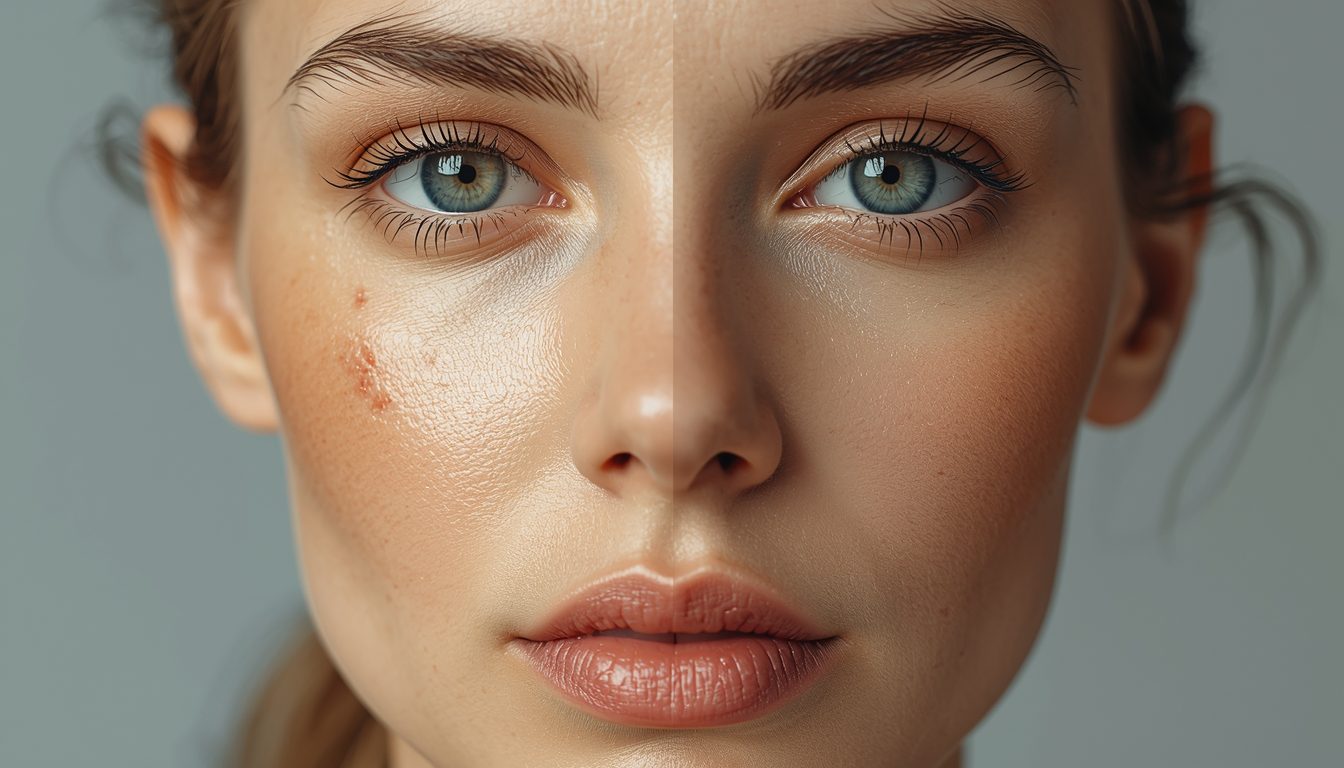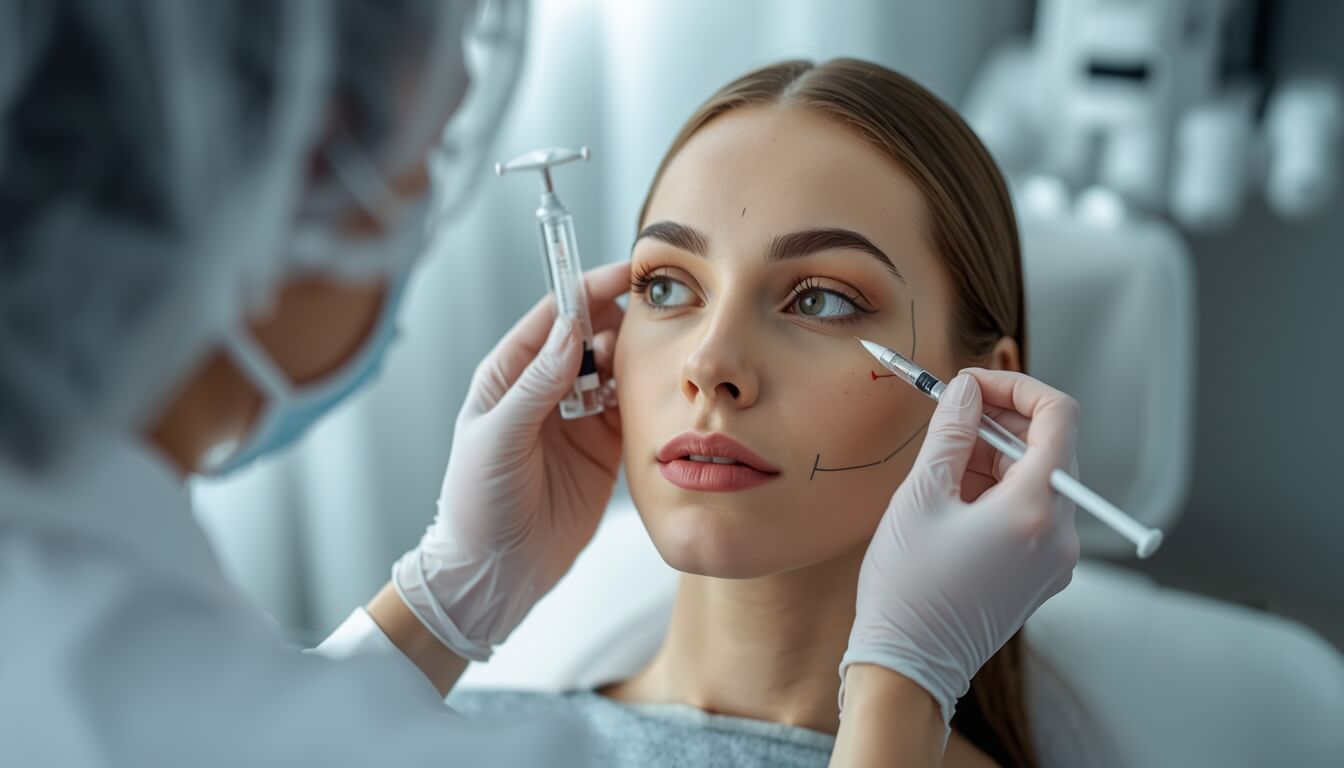
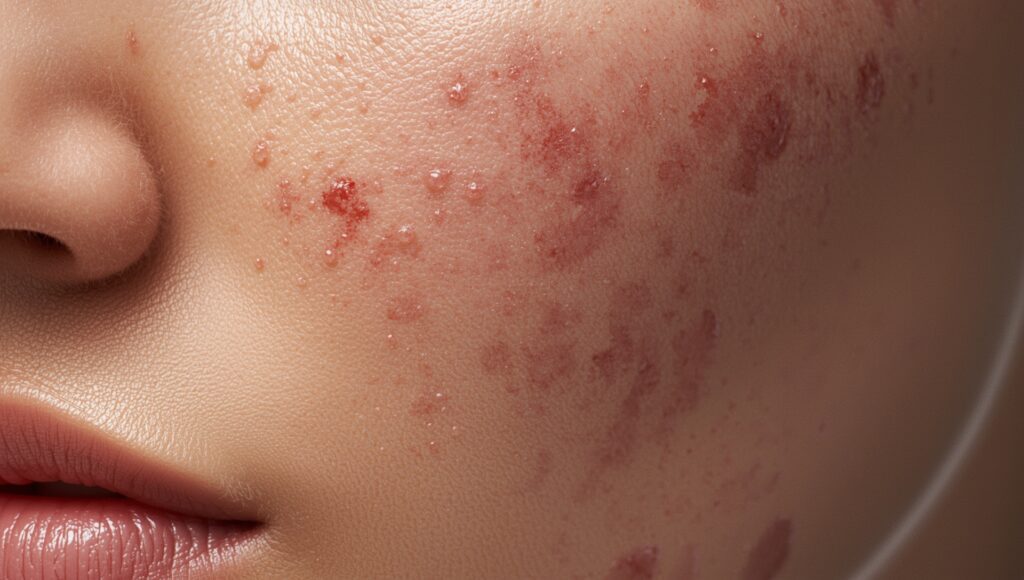
Acne is often viewed as a temporary teenage struggle, but for many adults, the physical reminders remain long after the breakouts have cleared. Uneven texture and scarring can have a lasting impact on confidence, making skin look shadowed or rough even under makeup. If you have spent years trying to smooth your complexion with at-home products only to see minimal changes, you are not alone.
The reality is that scarring and deep texture irregularities occur below the skin’s surface, where topical creams cannot reach. To see a true change in the smoothness and quality of the skin, we often need to engage the body’s natural healing processes. This is where professional skin resurfacing treatments play a vital role. By addressing the skin’s structure at a cellular level, we can encourage collagen remodeling and gradual improvement in tone and texture.
Why Acne Scars and Texture Irregularities Form
To understand why texture issues are so difficult to treat, we must look at how they form in the first place. Acne scarring is essentially a wound healing response that did not go as planned. When a breakout causes intense inflammation, it can damage the collagen and elastin fibers that support the skin. As the body attempts to repair this damage, it may produce too little collagen, leading to depression, or too much, leading to a raised scar.
Genetics and skin type also play a significant role in how your skin behaves after an injury. Some individuals are simply more prone to scarring than others. Identifying the specific type of scarring you have is the first step in creating a treatment plan.
- Ice Pick Scars: These are deep, narrow indentations that look like small punctures in the skin. They extend deep into the dermis, making them difficult to treat with surface-level exfoliation.
- Boxcar Scars: These depressions have sharp, defined vertical edges and a flat bottom. They often appear on the cheeks and temples.
- Rolling Scars: Characterized by sloping edges, these scars give the skin a wave-like or undulated appearance. They are caused by bands of scar tissue pulling the skin downward.
- General Texture Irregularities: Beyond specific scars, past acne can leave the overall skin surface looking rough, dull, or uneven due to enlarged pores and lingering pigment changes.
Why Skincare Alone Cannot Fix Acne Scars
It is common for patients to spend a significant amount of time and money on serums, retinoids, and exfoliants hoping to erase scars. While medical-grade skincare is essential for maintaining skin health and preventing future breakouts, it has limitations when it comes to structural repair.
Topical products work primarily on the epidermis, the outermost layer of the skin. However, scar tissue and significant texture irregularities reside in the dermis, the deeper structural layer. No cream or serum can penetrate deeply enough to break down thick scar tissue or generate the volume of new collagen needed to fill deep depressions. Skincare is a vital supporting player in your skin health journey, but for structural change, in-office intervention is typically required.
What Skin Resurfacing Treatments Actually Do
Skin resurfacing is a broad term for procedures that initiate a controlled healing response within the skin. The goal is not just to remove the top layer of dead skin cells but to stimulate the production of healthy, new collagen and elastin fibers.
Unlike dermal fillers, which add immediate volume to specific areas to camouflage hollows, resurfacing focuses on the quality and integrity of the skin itself. It encourages the skin to rebuild itself from the inside out. By creating a controlled stimulation or injury, we trigger the body’s repair mechanisms. Over time, this leads to smoother surface texture, tighter pores, and a reduction in the depth and visibility of scars.
Types of Skin Resurfacing Treatments for Acne Scars
There is no single “magic wand” for acne scars. The right approach depends on your skin type, the depth of your scarring, and your lifestyle. Here are the primary modalities used in professional aesthetics.
Microneedling
Microneedling is a collagen-induction therapy that uses fine needles to create thousands of microscopic channels in the skin. These micro-injuries trigger the release of growth factors and stimulate the production of new collagen and elastin. This remodeling process helps to thicken the skin and soften the appearance of scars. It is particularly effective for improving general texture and rolling scars. Because it does not rely on heat, it is generally safe for all skin tones when performed by a professional.
Laser Resurfacing
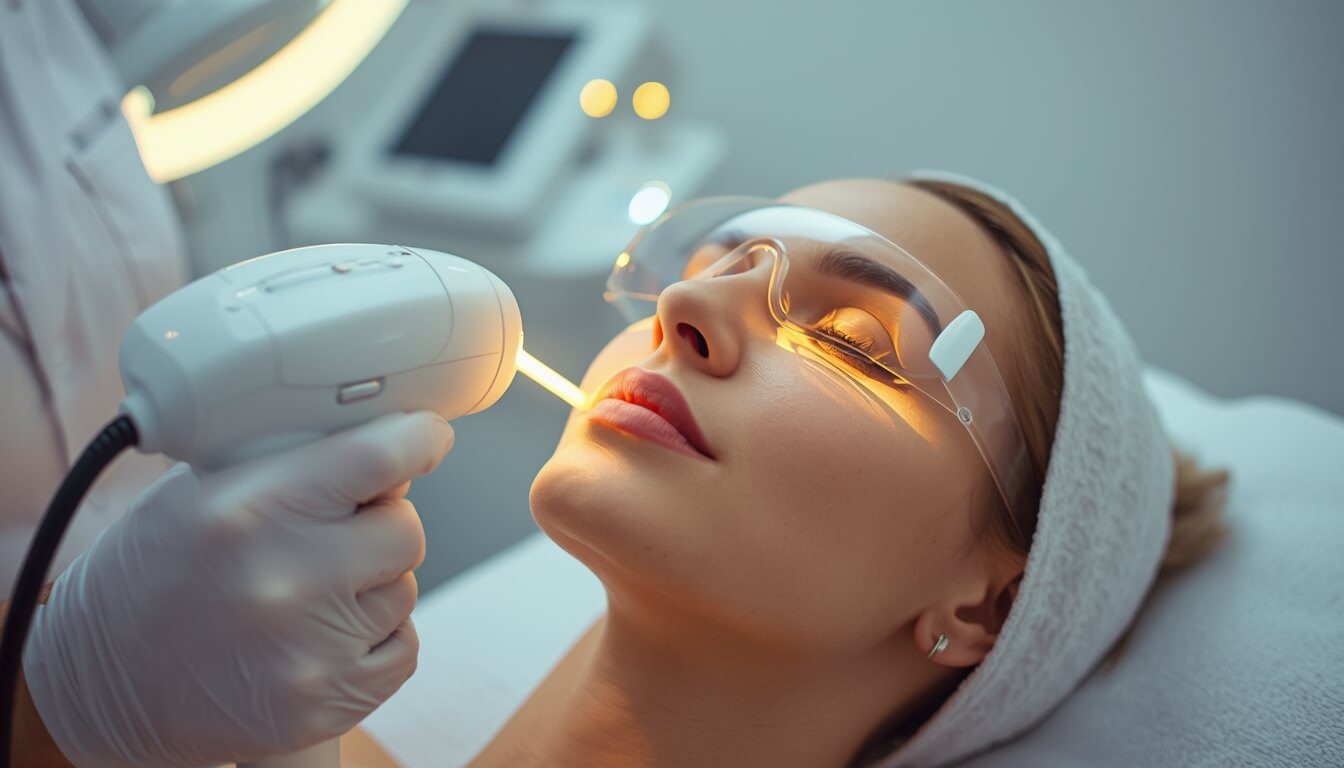
Laser treatments use focused light energy to address skin irregularities. They can be categorized into two main types: ablative and non-ablative. Ablative lasers remove thin layers of skin while heating the underlying tissue, offering dramatic results but requiring more recovery time. Non-ablative lasers pass through the skin to heat the deeper layers without removing the surface, stimulating collagen with less downtime. Lasers are powerful tools for remodeling scar tissue and refining surface texture.
Chemical Resurfacing
Chemical peels involve applying a solution to the skin to exfoliate the outer layers. While light peels are great for brightness, deeper medical-grade peels penetrate further to address moderate texture issues and discoloration associated with acne. They help to slough off damaged cells and reveal fresher, smoother skin underneath. Chemical resurfacing is often used in conjunction with other modalities to enhance overall results.
Matching Treatment to Scar Type
Successful revision of acne scars often requires a multi-modal approach. Different types of scars respond better to specific treatments.
- Ice pick scars often require specialized techniques because they are too deep for standard resurfacing alone.
- Rolling scars generally respond well to treatments that break up the tethering fibers pulling the skin down, combined with collagen stimulation like microneedling.
- Boxcar scars often see improvement with laser resurfacing or strong chemical peeling agents that soften the sharp edges of the depression.
- General roughness and enlarged pores can be significantly improved with non-ablative lasers or lighter microneedling sessions.
Realistic Improvement Timelines
Patience is a necessary component of any skin remodeling journey. Unlike surgical procedures that offer an immediate “after” photo, skin resurfacing treatments initiate a biological process that takes time.
Short-term: Immediately following a treatment, you may notice some initial swelling or brightness, but this is often temporary inflammation. As the skin heals over the first week or two, the surface may feel softer.
Medium-term: Real collagen production begins weeks after the procedure. You typically start to see visible changes in texture and firmness around the four to six-week mark.
Long-term: The remodeling process continues for months. It is not uncommon to see improvements continue to develop three to six months after your final treatment session. It is important to understand that the goal is significant improvement, not absolute perfection. Scars may not disappear entirely, but they can be softened to the point where they are much less noticeable and easily covered with makeup.
How Many Sessions Are Typically Required
Skin resurfacing is rarely a “one and done” event. Because we are trying to change the physical structure of the skin without causing unnecessary trauma, we treat it in a series.
For mild texture issues, a series of three treatments might be sufficient. For moderate to deep acne scarring, patients often require anywhere from three to six sessions, spaced four to six weeks apart. This spacing is critical. It allows the skin to complete its healing cycle and produce new collagen before we stimulate it again. Rushing treatments can lead to irritation and compromise the skin barrier.
Downtime, Healing, and Aftercare
The term “downtime” varies depending on the intensity of the treatment.
For milder treatments like light chemical peels or superficial microneedling, you might experience pinkness similar to a mild sunburn for 24 to 48 hours. Your skin may feel tight or dry as it heals.
For more intensive laser resurfacing or deep peels, you can expect redness, swelling, and peeling that lasts anywhere from three to seven days.
Regardless of the specific treatment, sun protection is non-negotiable. Resurfacing leaves the skin temporarily more vulnerable to UV damage. Failing to protect your skin during the healing phase can lead to hyperpigmentation, essentially creating a new problem while trying to solve an old one.
Proper aftercare also means hands off. It can be tempting to pick at flaking skin or scabs, but this disrupts the healing process and increases the risk of infection or new scarring. Following your provider’s specific post-care instructions regarding cleansers and moisturizers is just as important as the treatment itself.
Safety and Medical Oversight
While skin resurfacing treatments are widely available, they are medical procedures that carry risks if performed incorrectly. Aggressive treatment on the wrong skin type can cause burns, permanent pigment changes, or worsened scarring.
This is why medical oversight is essential. A qualified aesthetic provider understands skin anatomy and how to select the right device and settings for your unique physiology. They can assess whether your skin is prepped and ready for treatment and manage any complications should they arise. Trusting your face to a medical professional ensures that safety remains the top priority throughout your journey.
Refine Med Spa’s Clinical Approach
At Refine Med Spa, we understand that no two faces are alike. We approach skin resurfacing with a philosophy of thoughtful planning and conservative care. We do not believe in aggressive sales tactics or pushing trends. Instead, we focus on a detailed evaluation of your skin’s history and current condition.
Our goal is to create a long-term plan that respects your skin’s health. We select treatments based on clinical evidence and realistic outcomes, ensuring you feel informed and supported at every step. Whether you need a gentle approach to refine texture or a more structured plan for scarring, we are here to guide you toward healthier, smoother skin.
Conclusion
Improving acne scars and skin texture is a journey of patience and consistency. It is about moving from frustration to a place of confidence, knowing you are taking active steps to support your skin’s health. While we cannot change the past or fully erase every mark, modern skin resurfacing treatments offer powerful tools to significantly improve the look and feel of your skin. By partnering with a medical team that prioritizes safety and education, you can achieve results that look natural and renewed.
Schedule a consultation at Refine Med Spa to learn which skin resurfacing treatments may help improve acne scars and texture irregularities over time.